- July 23, 2026

-
-
Loading
Loading
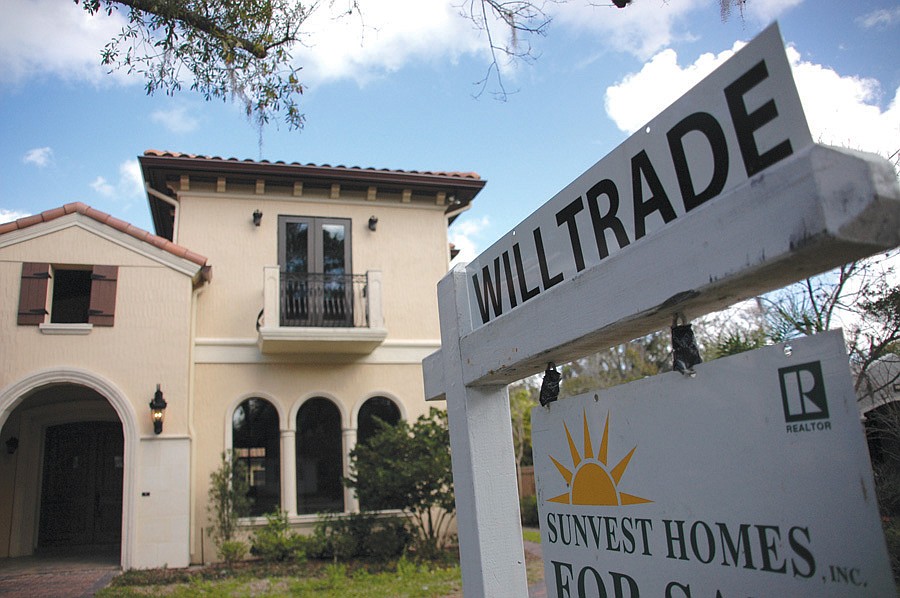
Shelly Coker has been begging for help.
The 38-year-old entrepreneur called her bank in March 2009 when her pay was cut and her ex-husband, who pays child support for their son, lost his job. She asked them to reduce her mortgage payments.
“I was always one month behind and things just went downhill from there,” she said.
She tried to hide the stress of her lost income from her son, but he knew they were struggling. Her boat was repossessed; she had to refinance her truck and recently had to ask her mother for money to pay for her son’s summer lacrosse camp.
“He was stressed because he knew we didn’t have the money. He would try to be strong, saying it’s not a big deal, but it was,” Coker said. “Asking for help from other people was, and still is, very hard. I don’t like to depend on other people.”
She was relieved when the bank told her she was pre-approved for a loan modification, which would help her afford her payments. She sent in her paperwork for the modification — bank statements, pay stubs — three times and each time the modification was denied. Something would go wrong — the bank misplaced an expense report or said she neglected to send her pay stub — and they’d tell her she had to start the process over.
In July, she called to get the balance on her account and the bank informed her that they had begun foreclosing on her home. She still has not received official notice from them.
“If I hadn’t called, I would have never known. I felt empty,” she said. “I get the impression they don’t want to help me.”
Is U.S. program effective?
Coker’s experience is not unique. With the availability of government programs such as Home Affordable Modification Program — an Obama administration plan designed to help borrowers afford their mortgage payments by lowering their interest rate, extending the mortgage or holding a portion of the loan in forbearance — it was expected that the number would decrease. But instead, many of those people who participated in HAMP are defaulting again.
The number of foreclosures in Central Florida has increased since last year and those in the industry expect that number to grow even more in 2011. According to RealtyTrac, in Orange County there are 16,775 foreclosures and 5,310 in neighboring Seminole County.
“I’m hearing around 68 to 70 percent of those people (who participated in a loan modification) were in default again within 12 months,” said Sean Snaith, a University of Central Florida economist. “The first time these programs became available, states like Florida that were hit the hardest were not eligible so the sickest patients were not getting any medicine.”
People under HAMP are defaulting for several reasons, said Matt Englett of Kel Attorneys in Orlando, which is currently handling 6,500 foreclosure cases, a majority of which are in Central Florida.
The HAMP process starts as a trial modification program, and in some instances people were never put into the permanent program either because of bank error or borrower neglect. He also said some lenders were still putting people in programs they could not afford, or the borrowers could afford it when they signed up, but experienced a pay cut or unemployment and became unable to even pay the reduced monthly payment.
City Mortgage, who funded Coker’s loan, did reduce her payment by $600 last year, which helped her tremendously, but they bumped it back up after six months.
“Every time I talked to someone (about the modification) it was a completely different story. I don’t know why they’re not willing to work with someone who wants to work with them,” she said.
Banks spar with homeowners
U.S. Rep. Darren Soto, of East Orlando’s District 49, has tried to pass several bills designed to help people stay in their homes. One would reduce the monthly cost, spreading the payments over time. That bill was killed.
“The banks don’t want any reform whatsoever because they’re so nervous about any change. It’s tough to pass anything but with two of the highest foreclosure zip codes in the nation within the district, I have to at least try.”
Although he’s trying to find more relief for Florida homeowners, Soto said there is enough assistance out there “but most people are not crossing every T and dotting every I, and the banks are so overwhelmed they’re screwing up as well.”
Coker said the problem is too many loopholes are available for the banks in the modification process. She’s afraid her bank is stalling on her modification so they can reap all the late fees she’s accrued.
“I think the help is there, it’s just hard to get it, and a lot of people give up because the banks are making it so hard,” Coker said. “Someone has to step in and take out these loopholes. I feel like I’ve been pushed around for almost a year now.”
Help for underwater not likely
One government program local experts have little faith in is Obama’s Home Affordable Foreclosure Alternative program, which is designed to create more incentives for homeowners who are underwater to refinance their loan, leaving the banks to take the loss of the remaining principal.
“It’s not going to happen,” Englett said. “If banks start doing that, everyone will sign up, and with nearly half of all homeowners in Central Florida underwater and 23 percent of homeowners nationally, they can’t absorb all those losses.
Banks won’t do it because “they know people who are underwater by-in-large will continue to make their payments, and that’s what they want.”
He added that government would likely have to step in to absorb the loss, which would stick the taxpayers with the bill. “So no, this program would not be best for the economy.”
Snaith said government lenders such as Fannie Mae and Freddie Mac should be able to buy underwater mortgages so people can take advantage of lower interest rates and start being able to afford their payments.
The problem with the way the Obama administration handled the housing crisis, Snaith said, is that it tried to juggle many big problems at once such as health care and clean energy.
“The administration was working on too many things at a time instead of lasering in on getting the economy back on track,” he said. “But we didn’t do that, and incidentally we probably did a worse job on all these things. If all that energy would have went to the economy, maybe we would have been in a much better situation than we are in today.”