- April 3, 2026

-
-
Loading
Loading
Plants are not about feeding us. Their only intention is to spread their seeds as widely as possible. To that end, plants use animals to consume their fruit to disseminate their genetic legacy. Consider how far most plant varieties have traveled to become naturalized in our agricultural sphere. We may think that growing an orange tree in our front yard will provide the family with sweet and nutritious citrus for years to come, but in reality, we are unintentionally proliferating Sapindales Rutaceae Aurantioideae Citreae all the way from Southeast Asia to the North American continent.
Most fruit crops are perennials and will have a substantial lead-time until production begins. This long-term investment must be managed against the numerous risks pending against any landscape endeavor, including insects and disease pests plus irrigation, fertility, sunlight, spacing and zoning considerations.
I have too many times succumbed to the temptation of growing tropical, cold-sensitive fruits to continue repeating the same mistakes. Urban heat islands in Central Florida can make a difference when a cold snap hovers right at freezing, but my garden on the fringe of development is always a few degrees colder. Papaya or bananas could suffice this risk and might produce a crop the first year. But many of the tropical tree fruits would be exposed to environmental issues for far too long to take this gamble.
The quickest results would be expected from strawberry plants. They are purchased bare-root in autumn, planted to grow through the winter, produce a harvest in the spring, and are disposed of in the summer. Their fruit is susceptible to numerous pests, making them a high-maintenance crop for the expected harvest. Commercially available strawberries have an elevated pesticide profile, suggesting a strong contemplation from a home grower.
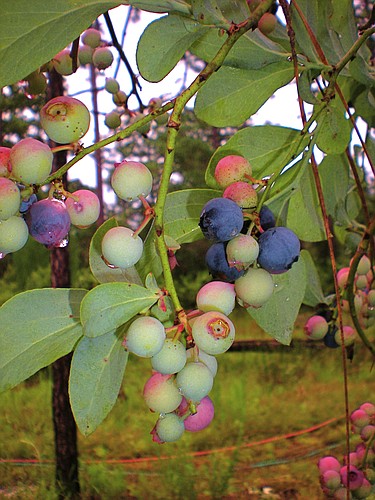
Blueberries are native to our area, require almost no pest controls, tolerate drought and lend themselves to the edible landscape requirements of most homeowners associations. Southern high-bush types produce a harvest in late spring. Select several varieties to extend the available harvest season.
Although everyone loves blackberry fruit, I personally hate growing this plant. It spreads by underground runners, invading any terrain. The brambles are legendary, especially noted by our friend, Br’er Rabbit. Birds love berries of most types, but luckily, fine netting solves most avian thievery.
Low-chill peach, apple and pear varieties will grow for us with appropriate attention. When the peaches come in, harvest quickly as the fruit spoils almost immediately. I do not have any personal experience with apples or pears, but the University of Florida has plenty of recommendations.