- April 3, 2026

-
-
Loading
Loading
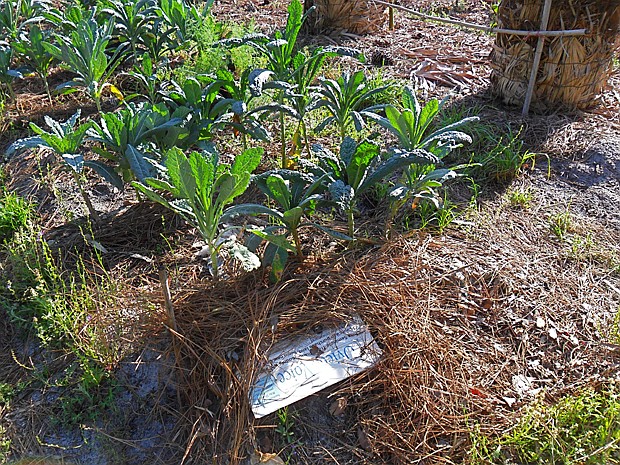
The Biblical axiom “for whatsoever a man soweth, that shall he also reap” holds sway for most things in our lives. Our gardens are one of the best experiments to witness this direct return on our investment. Improperly managing nature’s catalyst, water, will not produce our expected bounty. A balance must be achieved, and with water, known as the poor farmer’s fertilizer, too little or too much results in an unappetizing dividend.
As spring days get longer and warmer just as rainfall tapers off to a trivial memory, our garden’s potential for productivity soars to unexpected heights. Simple quantities of irrigation, usually suggested at one inch each week, are easily determined with a rain gauge and observation. This simplicity ends when establishing transplants and directly seeded crops or applying fertilizer mixed with our irrigation water. The ratio of the size of plants to their containers and soil mixes may result in required daily attention. Carrots ready for harvest can develop soft rotten spots if excessive moisture stagnates in upper layers of the soil.
Most gardens will grow nicely when district water management rules for lawns and landscapes are followed. Overhead sprinklers run during morning hours will meet most crops growth needs. Drip and micro-irrigation systems complete their tasks almost invisibly. A timer at the hose bibb set for a schedule or on a manual timed period eases our management chores. While I may skip a manual soaking, this mechanized enforcer keeps my routine stable.
Hand water new crops by allowing a shallow pool to puddle and settle the soil particles around the seeds and transplants. Then mulch exposed soil to restrict harsh conditions delivered by winds and sun. Follow up on a daily basis until the immature plants are established, with their roots becoming part of the strata. This rooting routine helps tiny carrot seeds begin their journey to our nutritional banquet.
I use a few homemade tricks to juggle watering requirements of my gardens. A layer of newspaper under shredded mulch doubles their individual soil-protecting effectiveness and restricts weed germination. A five-gallon bucket with a few eighth-inch holes drilled near the bottom, then filled with water, trickles onto our crops’ root zones. A dash of liquid fertilizer into the bucket simultaneously accomplishes similar goals. The volume of rain collected over the acreage of our roofs is stunning. Find alternatives to using drinking water for irrigation by catching our increasingly sporadic rainfall. We have all the resources necessary to grow much of our food; we just need to manage them in proximate time and space.