- April 3, 2026

-
-
Loading
Loading
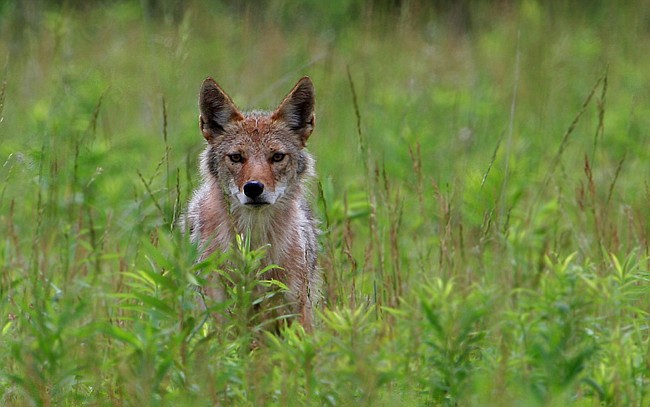
There’s something wild lurking in Winter Park.
The Florida Fish and Wildlife Conservation Commission took action last month after receiving multiple calls about coyote sightings, posting a warning to keep on the lookout for the wild animals.
A sign placed outside the Publix on Aloma Avenue two weeks ago reads “coyotes in area,” warning residents not to leave food or pets outside at night.
“We’ve had several calls from people looking for information on coyotes,” said Florida Fish and Wildlife spokesman Greg Workman. “Some of them have said there’s coyotes in the area. Others say their cats are missing and such.”
That was the case for Winter Park resident Marguerite Dykes, who told WESH 2 News that three of her cats have been snatched up by coyotes outside her home on Palmer Avenue.
“The cats are just dwindling, because they’re their food,” Dykes told WESH 2 News. “[Coyotes] have no enemies here.”
Winter Park may not be a place residents would expect to see coyotes, but they can live almost anywhere, Workman said.
“There are small enough wooded corridors for them to survive,” Workman said. “That’s all they need. Even some of the drainage ditches for water control are enough to harbor them.”
“They could be just about anywhere. They’re very adaptable to urban living.”
The sightings of coyotes in Winter Park came as a surprise to Mayor Ken Bradley, born and raised in the city.
“I guess it speaks for the environment that we live in, that we can still have wild animals around us,” Bradley said. “I never heard about coyotes [growing up]. I did hear from time to time – not necessarily in the urban setting, more in the suburban or rural parts of Central Florida – about a Florida panther occasionally or a bear occasionally.”
“I don’t know what’s driving coyotes into, what I would consider, a very urban setting.”
Signs have also been posted in nearby College Park, where more residents have contacted FWC about pets being attacked, Workman said.
Residents should avoid leaving dog food and cat food outside as well, he said, adding that rotten fruit near fruit trees could also attract coyotes.
Multiple food sources and increased development in Central Florida would likely explain the recent coyote sightings, but Workman said Florida Fish and Wildlife doesn’t know for sure.
“They’ve been around for years,” he said. “It’s just that certain areas are getting a lot more now, whether they’re being forced out of the areas where they were or the numbers may be increasing. We don’t know what factors are making them come out more.”
Workman said that Florida Fish and Wildlife will continue to monitor the area and will take action if the situation becomes dangerous.