- April 2, 2026

-
-
Loading
Loading
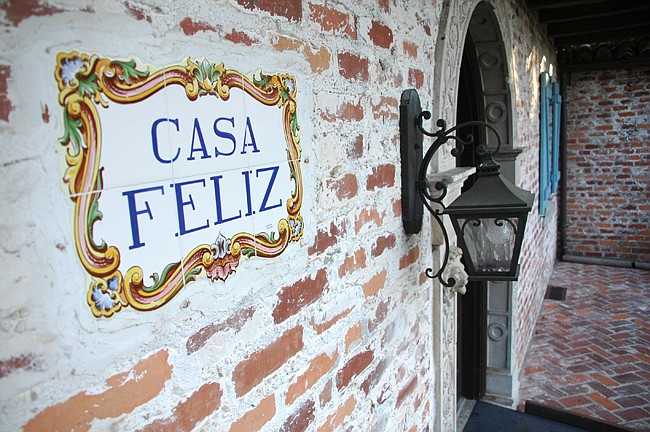
Winter Park is on its way to passing a new historic preservation ordinance that could make it easier for a neighborhood to become a historic district.
The city’s Historic Preservation Board gave preliminary approval last month for a tweaked ordinance on historic preservation, an effort to streamline the process and provide new incentives to submit properties for historic designation.
The new ordinance indicates additional incentives will be provided through the city and state, including a local property tax exemption of up to 50 percent for commercial or nonprofit buildings that are regularly open to the public. The process for designating historic districts would be modified as well, requiring 50 percent plus one of the property owners living in the district to vote in favor to designate it, as opposed to a two-thirds majority.
Language in the ordinance would also beef up public notice requirements regarding historic designation, which would include posting more information on the city website for residents who can’t attend the monthly meetings.
“I think additional communication will help a great deal in the process,” Winter Park Senior Planner Lindsey Hayes said.
The changes came about after a call to action from consultant and archeologist Myles Bland back in November 2013, who said the city’s historic designation process was insufficient.
The city was losing 1.2 percent of net known historic structures each year to demolition, according to a report he presented before the board.
“Use it or lose it folks … historic resources are non-renewable, and once they’re gone they can’t be replaced,” said Bland, who has more than 18 years of archaeological experience.
“This is a grim trend that is in need of reversal.”
Bland saw the voting of historic districts as one of the city’s biggest problems, explaining that it turns the process into a social affair that “pits neighbor against neighbor” and defines the districts by modern social structure.
The voting should be gotten rid of all together, he said.
“Voting is not the norm,” Bland said. “It is quite odd and certainly counterproductive to historic preservation.”
“The public voting just makes it a fight really.”
A preliminary draft of the ordinance will be presented to the public for further input, Hayes said.