- April 3, 2026

-
-
Loading
Loading
A process roughly two years in the making is finally near an end as the Winter Park Historic Preservation Board voted last Wednesday to approve a draft of the newly crafted historic preservation ordinance – an effort to better protect the city’s historic resources.
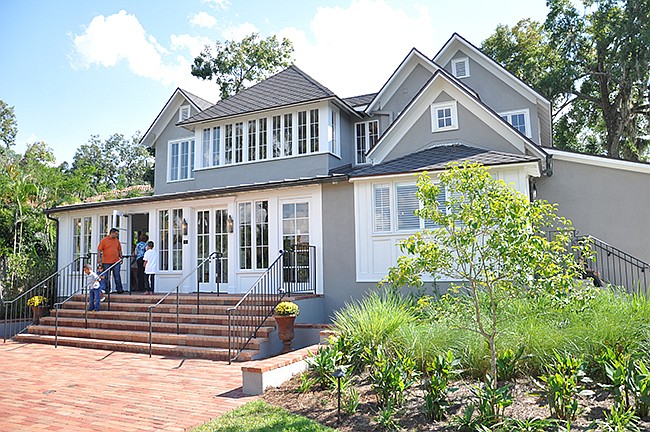
The process that began in 2013 stemmed from controversy over the threat of the historic Capen House being demolished to make way for a new home. The 130-year-old Capen House, which was saved and relocated by residents through a campaign called Preservation Capen, recently opened its doors to the public earlier this month at its new home on the grounds of the Albin Polasek Museum and Sculpture Garden.
What followed was a two-year struggle to find ways to improve historic preservation in Winter Park while maintaining the rights of property owners.
It’s been a difficult process, Board Chair Bill Segal said.
“It’s a very emotional subject,” Segal said. “It’s a battle between private property rights and the general public good. It’s not easy – I think we’ve tried to balance those equities.”
The new ordinance would potentially make the process easier for a neighborhood with historic homes to be named a historic district – a title that offers a barrier of protection to historic buildings. Any alterations, additions or demolition involving historic resources within the district must go before the Historic Preservation Board for review.
But in order to form a historic district, the city’s current ordinance requires 67 percent of the residents within the proposed district to vote in favor.
The proposed ordinance would only require 58 percent.
But many residents spoke in opposition of the percentage change. Resident Robin Fawsett said that being named to a historic district may protect historic homes, but it also ties the hands of property owners.
“The idea that being forced into a historic district increases your value is preposterous,” Fawsett said. “Maybe it adds to the esthetic theory of appeal to a tourist, but if you’re a homeowner with a valuable home and all of the sudden you’re forced to ask permission to alter or demolish your house, it doesn’t raise the value, it substantially lowers it and greatly narrows the field of possible buyers.”
Board members voted to pass the ordinance with the proposed 58 percent requirement.
The new ordinance will go before the City Commission on Monday, Nov. 9.