- April 2, 2026

-
-
Loading
Loading
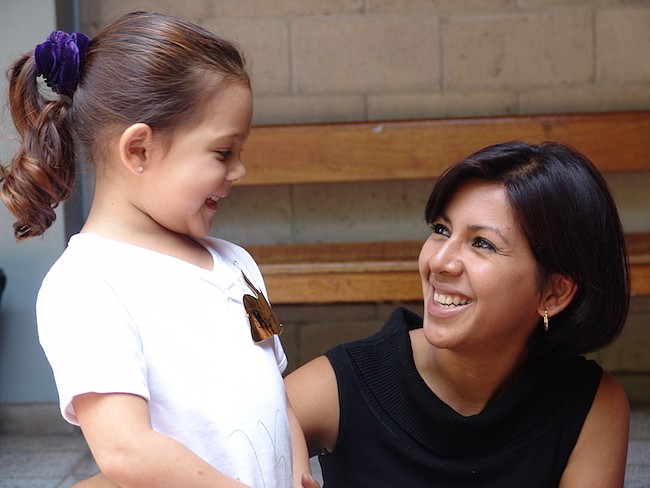
Some parents fear it, others loathe it. In fact a parent-teacher conference can be a true win-win opportunity for parents, teachers and students. Conferences can help parents establish genuine communication and be a catalyst for student achievement. The key lies in five practical suggestions.
Seize the day. According to the Harvard Family Research Project, parent-teacher conferences foster family involvement in student learning. And that involvement usually translates into support for the student.
“Regular communication between families and school increases student success,” said Katie Walsh, principal at St. Margaret Mary Catholic School. At a minimum, participating in conferences establishes that you are committed to your child’s education. Conferences offer also a chance to learn how to help your student at home. From suggestions on how to organize work, to selecting a work space, to assisting with vocabulary drills, the teacher can offer a wealth of proven strategies.
Welcome your partner. One goal that both you and the teacher have is student growth. Whether that be intellectually, emotionally, or socially, you glow when your student shares an accomplishment. So does the teacher. Be ready and willing to hold a conversation. That should include practicing active listening. Teachers often see other gifts you never knew about your child. A conference may be the only time you hear about these traits.
“In the classroom, teachers are often the first to see budding leadership skills, patience with others, or scientific curiosity,” Walsh said.
Be a scout. To make the most of your conference time, come prepared with questions about how to help your student, what her strengths are, and how she compares with developmental benchmarks. Ask your student if he has any concerns or questions you should share with his teacher. Depending on the school’s policy, you may want to include the student in the conference. In addition, offer the teacher your insight as to the student’s interests, dreams and even your hopes for him. Those are important bits of information that can help a teacher reach out to a student and even shape lessons.
The basics count. Plan on arriving early and sticking to the allotted time. Good communication can be exchanged in 10-15 minutes if both parties are focused and not rushing. On the other hand, if you are out of breath or a couple of minutes late, it minimizes the conference and can affect other parents’ experiences too. If you run out of time and still need to discuss important matters, by all means, follow up to schedule a longer appointment.
Look ahead. Before your conference is over, establish the best way to communicate with the teacher. According to the NBC News website, Parent Toolkit, “ask whether the teacher’s preferred method of communication is phone calls, emails or continued meetings.” Keep in mind that, like most professionals, teachers would not appreciate daily follow-up calls or unscheduled meetings. Think about a weekly or bi-weekly communication that tapers off as concerns are resolved. At the same time, set realistic expectations for the conference.
“Be prepared to not have resolution right away,” said Beth Labreche, a middle school science teacher and mother of three. “Often times other support services need to be visited.”
As you reflect on the past year, take time to discuss educational highs and lows with your student. Then resolve to make your next parent teacher conference a building block in your child’s education. Stay in touch. It’s how any partnership survives.