- April 1, 2026

-
-
Loading
Loading

In case you missed it, Winter Park is in the midst of revising one of its most important city documents – one that determines the city’s goals and direction for years to come.
Winter Park’s comprehensive plan is currently under revision, a process that began in July and is scheduled to come before the City Commission for a first reading on Nov. 14.
Over the past several weeks, portions of the comprehensive plan that provide guidance for transportation, future land use and other elements of the city have been tentatively revised.
Some of the proposed revisions include the city creating a “mobility plan” that takes into account residents who walk and bike throughout the community. The tentative comp plan now puts a greater emphasis on planning, funding and constructing a network of bike trails and facilities.
The city solidifies new measures regarding transportation safety under the new comp plan as well, requiring the police department to give crash reports each quarter to the Florida Department of Transportation and city staff. That information will be studied in the hope of making roads safer.
Transportation convenience is also a factor, as the comp plan calls for the city to invest in a website and smart phone app with useful services for bike riders, pedestrians and drivers, including real-time information on parking.
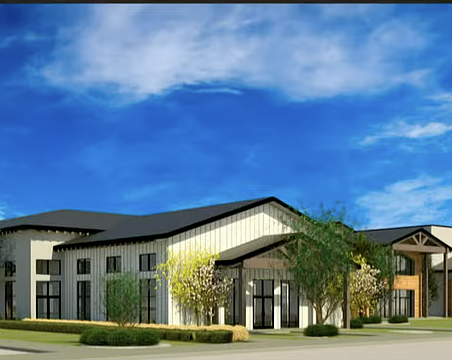
As for future land use, the comp plan defines a new district surrounding Winter Park Memorial Hospital that will be known as the Medical Arts District. The comp plan prohibits any residential uses other than nursing homes, memory care facilities and workforce housing from being built in that district.
Arts and culture are recognized in the future land use element as well. Cultural events like art festivals in the city will now be studied for their economic impact on shopping and tourism, while artistic and cultural nonprofits will be studied for their economic value, an effort to “ensure their continued longevity.”
But some residents, as well as Commissioner Carolyn Cooper, believe the process has sped by far too quickly, leaving some feeling like they didn’t get a fair shake at participation.
Resident Pat McDonald said that while meetings have been taking place since July, 42 percent of the meetings were jammed into October.
“We are moving so fast on this thing,” McDonald said. “I’ve attended as many of these meetings as I can.”
“[The comp plan] is our blueprint for what we can and can’t do and how we grow, so I would like you to hopefully consider slowing down the process as well,” resident Carol Rosenfelt said.
McDonald added that many meetings were not properly noted as comp plan meetings on the city’s website either, causing her to miss several of them.
“If you’re trying to discourage citizen attendance, it is working very well,” she said.