- March 27, 2026

-
-
Loading
Loading
 arinahabich - stock.adobe.com
Summer in Florida is hot. We all know the feeling of watching the temperature, waiting for it to dip below 100 degrees. The heat can be exhausting and oppressive. But what if cooling outdoor spaces was as simple as starting a garden?
Urban gardening is an increasingly popular activity, bringing people closer to their neighbors and nature. However, most of residential Florida isn’t structured with outdoor spaces in mind. About one out of three Floridians are renting — meaning 3.8 million people in the state don’t have the ability to keep a traditional in-ground garden. And although the process can be messy, urban gardening is necessary in a paved world.
For those who are able, gardening isn’t just a style choice — it’s a pivot in lifestyle. In Florida, where heat already is a problem, the recent boom in development often has negative impacts on the well-being of residents. Urban areas without enough trees or green spaces can be 10 to 12 degrees hotter than rural areas. Even within cities, temperatures can vary by 20 degrees between neighborhoods depending on tree coverage. Often, this puts people at greater risk of heat exhaustion and increases energy consumption as residents struggle to get cool.
And yet, plants have a significant cooling effect. Even a single tree or trailing vine contributes to the process of evapotranspiration — pulling water from the soil and releasing it as vapor into the air.
Deeply rooted plants also can prevent soil degradation and lower flood risk. Green spaces also slow the flow of water after heavy rainfall, giving stormwater systems a rest. Living in Florida — a state with the most hurricane landfalls of anywhere in the United States — this especially is important.
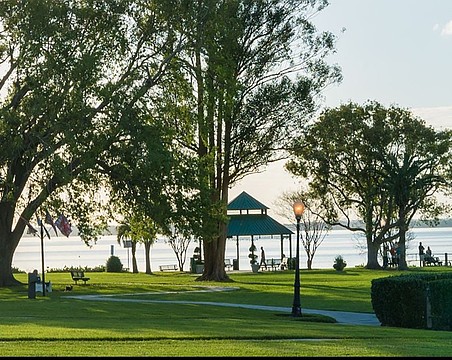
Winter Garden is renowned for its green spaces — thanks to the Bloom & Grow Society, founded in 1997.
“Most of the founders had grown up in Winter Garden and loved their home town,” said Katy Warner, committee chair of the Bloom & Grow Garden Society.
In the 1990s, Winter Garden was a stagnant place.
“They knew it didn’t have much of a reputation, but they were confident they could make it better,” Warner said of the founders.
In its first year, the Bloom & Grow Society successfully opened Winter Garden’s first public garden: the Path of Life at Chapin Station. Since then, Bloom & Grow has been busy.
“We have a major tree planting effort,” Warner said. “Over the past five years, more than 2,000 trees have been planted in Winter Garden as a result of our efforts.”
“Through the inspiration of Bloom & Grow leaders, many of our members have transformed their yards into exceptional pollinator gardens,” Warner said. “Success in gardening no matter what climate (is) understanding which plants do well in the various conditions that exist. Finding the right plant for the right place is the greatest challenge for the urban gardener.”
She said another challenge is watering.
“Rain and irrigation are not generally enough for newly planted trees, shrubs and flowers,” she said.
Warner recommended finding plants that are pest-resistant, because Florida does not get cold enough to kill most diseases and pests.
She also suggested including pollinator plants.
“By including flowers and habitat that attract pollinators to your patio, yard or landscaping, each of us can help these species survive and thrive,” Warner said.
Although you have to be careful with plants that attract butterflies and bees — any hint of a pesticide will kill the insects the world is trying to save.
Winter Garden clearly is in good hands. But as buildings rise around us, it’s still important to do our best with what we’re given. The small garden, single pot with flowers or climbing vine — it’s all contributing to something. One flower can be visited by many insects a day; a single potted plant is shelter to so many little critters.
“We are a force for good in the Winter Garden community,” Warner said. “And we hope to be for many years to come.”