- March 20, 2026

-
-
Loading
Loading
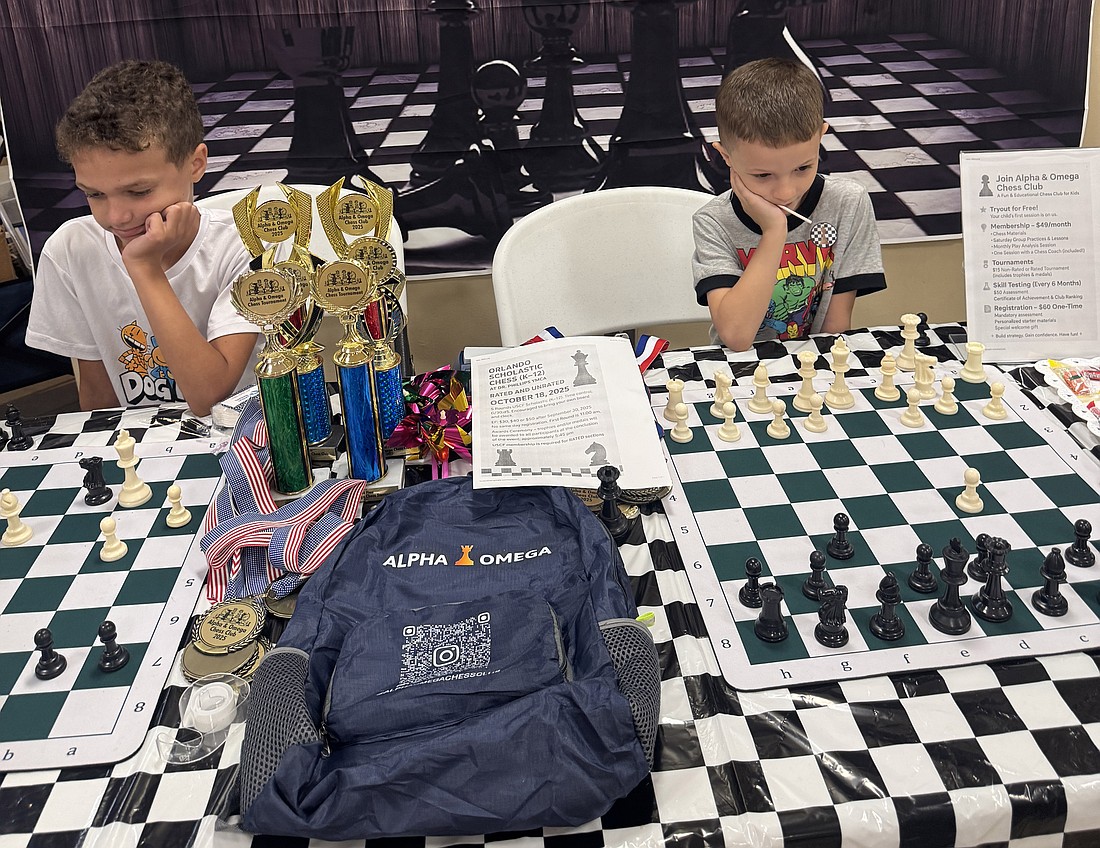
When Todd Kay, a coach with the Dr. Phillips-based Alpha & Omega Orlando Chess Club, is teaching children how to play chess, he tells them to zero in on the board.
No matter what is happening in their lives outside that game of chess, he wants it to melt away. Their minds need to be focused on the 32 pieces in front of them and what are the potential moves ahead that could be made.
The rest of the world becomes silent. At that moment, there’s only chess.
It’s about carefully analyzing each move and thinking steps ahead.
As a coach, Kay has been amazed at seeing the abilities of the children in the club. He has watched Lucas Tavarez, a 7-year-old boy, be able to simply look at a board and quickly find the answer to get out of a tough situation in a match. He’s seen 9-year-old Andrew Tavarez, who he said has a natural talent for the sport, have the discipline to excel and compete in tournaments.
Throughout the three years working with the Tavarez boys and other Alpha & Omega Orlando Chess Club members, Kay has shared his knowledge with dozens of aspiring chess players.
Now, co-founders Valentina Naumenko and Steven Tavarez have plans to expand the offerings of the Alpha & Omega Orlando Chess Club.
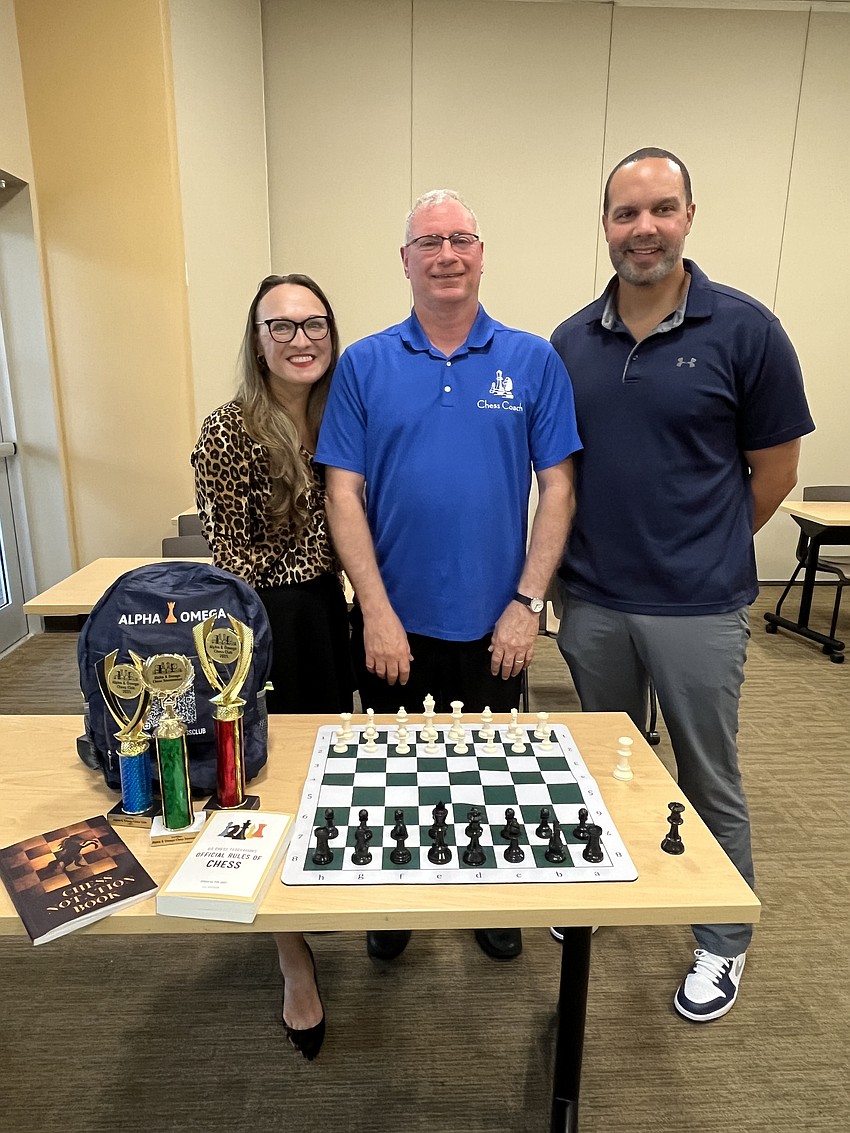
Much like the children in Alpha & Omega Orlando Chess Club, Kay started playing chess as a child.
He was the youngest of six children and learned how to play from his eldest brother. The more he learned, the determination to be the best in the family grew.
In high school in Memphis, Tennessee, he started competing in tournaments, outmaneuvering his opponents, which he said were some of the happiest times of his life. He continued on through college, but once he moved to Florida, he was determined to become an even better player, so when he had the opportunity to meet FIDE Master Alexander Zelner, who was the founder of one of Orlando’s first chess clubs, he jumped at the opportunity to learn from him.
Now, he wants to pass his knowledge along to the children in Alpha & Omega Orlando Chess Club.
He started with Naumenko’s children. He met Naumenko three years ago at Palm Lake Elementary, where he was teaching chess to students, including her son, Andrew Tavarez. She asked Kay for private lessons.
Andrew Tavarez started competing in tournaments. They found other local children interested in chess and started meeting at the library in Dr. Phillips as a social opportunity while the children played chess.
But Naumenko wanted more and so did other parents.
So what started as a group of four kids playing against each other in chess has become a chess club with more than 80 kids meeting and playing out of the Dr. Phillips YMCA.
“Everybody likes to play, not everybody likes to learn, and everybody comes to have fun, but we want more than that,” Naumenko said. “We want them to actually advance.”
At least 20 kids go every Saturday to the Dr. Phillips YMCA to play.
“It’s a wonderful feeling to see your hard work blossom so much,” Kay said.
Kay or the other coaches, Mike Kennedy or Tori Sonza, will provide a group lesson before working with kids in individual, private classes. Those not in private lessons at the time will play against one another or even a parent who is available if there is an odd number.
Naumenko said what separates Alpha & Omega Orlando Chess Club is not the great players in the club but rather the coaches.
“The other clubs might have very great chess players, but not everybody who plays chess is good at teaching chess — especially teaching those little minds,” she said. “It’s very different. You have to lead that with all your heart.”
Kay said he tries to meet the kids where they’re at in chess and help them develop their knowledge and skills.
Naumenko said the club has provided a safe place for children to feel like they belong as some parents have told her they have had their child try numerous sports but nothing made them as excited as chess.
“(They tell me), ‘I really feel like my child found himself in this sport,’ and that was so meaningful,” she said. “I do this not because of my children. I do it because of those parents who tell me that this is everything for their child, that he waits for that all week and doesn’t play anything else because he doesn’t like anything else.”
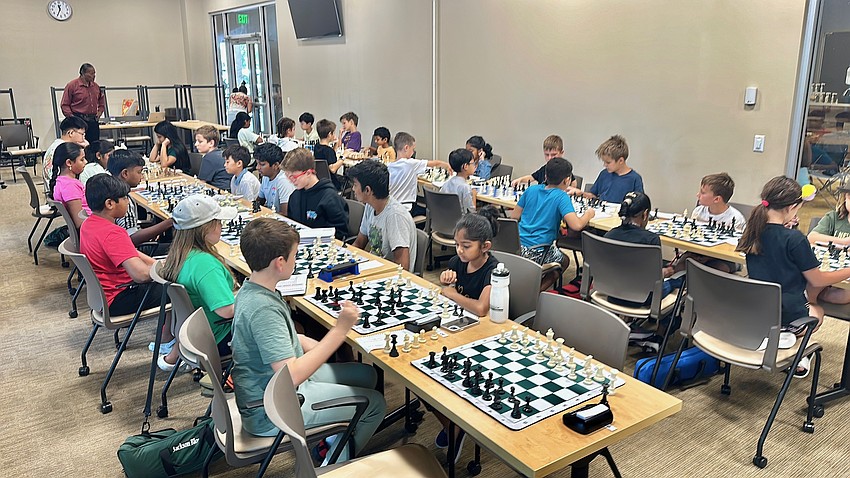
Unlike many sports, Kay said chess is an equalizer.
“It’s not about how physical or how large you are, how dominating you are,” he said. “In chess, any 6-year-old child can beat an adult. … It’s an even playing field.”
Naumenko said she’s amazed at how strategic and magnificent the kids can be during matches.
“You can’t believe that this mind is placed in that little head at times,” she said. “When I go to those tournaments and you see so many little guys in this one room, I feel like I’m so small because they are so big, comparing what I’m capable of and what they’re capable of.”
Naumenko is able to see it firsthand when Alpha & Omega Orlando Chess Club hosts its rated tournaments, which are certified by the U.S. Chess Federation. At the tournaments, players come from all over the state to compete against other rated players.
“Sometimes we see kids coming with no ranking,” she said. “They just registered with U.S. Chess and they come to play, but those people are very tricky because you don’t know what to expect. We’ve seen so many times that they will win all five rounds.”
New this year, the club decided to expand the tournament to include rated and non-rated players so all children can participate.
Also new this year, the club is offering official assessments in collaboration with the European Chess Association. Every chess player will be assessed so the club can provide individual development plans for the players to see how far they can go, especially given players could earn college scholarships as they get older.
Alpha & Omega Orlando Chess Club primarily consists of boys in elementary school at the moment, but the club has desires to expand its membership and welcome more girls and older students to become a K-12 club.
Naumenko is hopeful the club will receive a $10,000 grant from the U.S. Chess Federation that will go toward educating elementary school girls on how to play chess to boost the number of girls in the club.
She also would like to see more teenagers join the club, not only to expand upon their skills but also challenge younger children on the chess board.
The ultimate goal is for every child to have an opportunity to play chess regardless of their financial situation.
Naumenko dreams of the club having its own facility that serves as a science center with a goal of eventually becoming a STEM or STEAM center to keep members engaged at all times through various other activities starting with math.