
- March 16, 2026

-
-
Loading
Loading
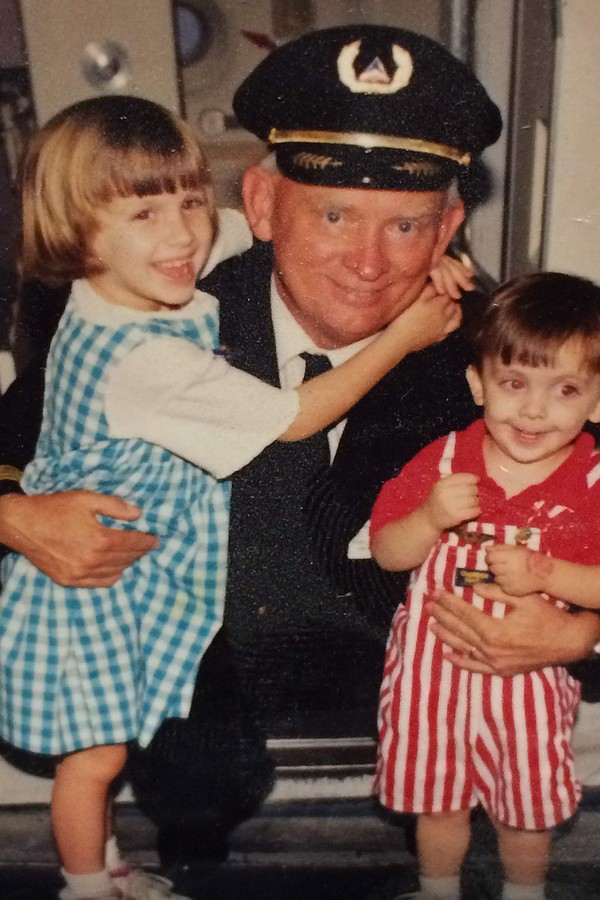
Commercial pilot Ward Britt posed for a photo with two of his grandchildren, Erin and Zach Bailey.
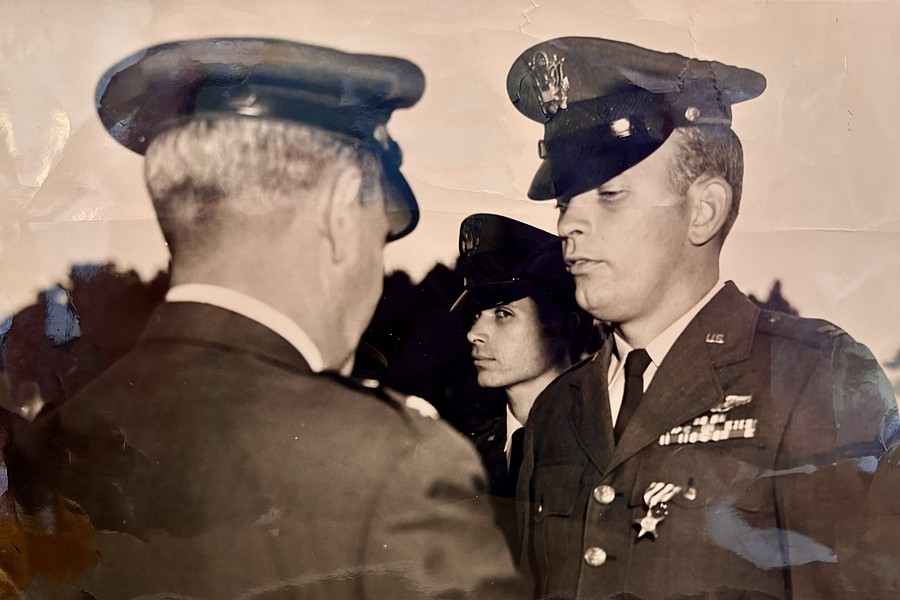
Ward Britt received the Silver Star when he returned home from the Vietnam War.
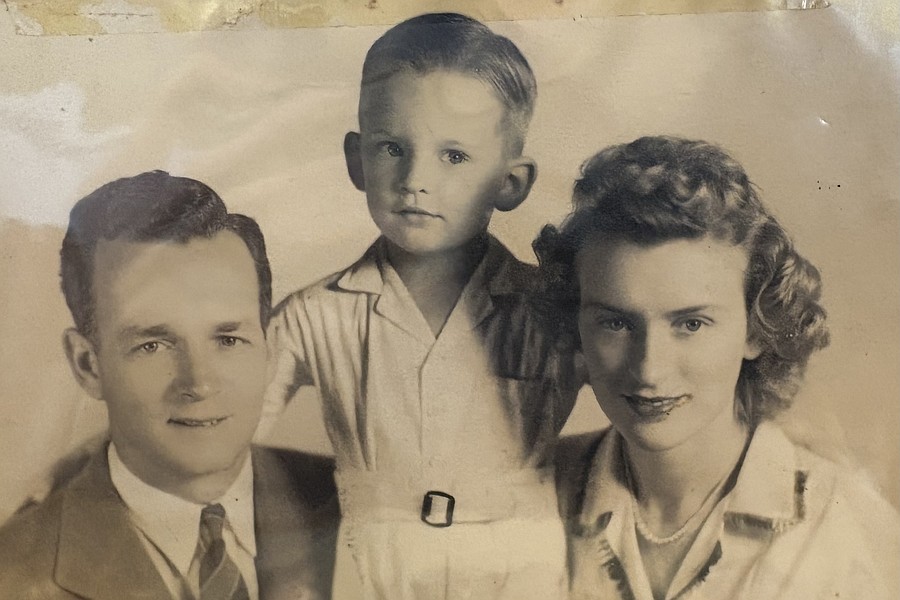
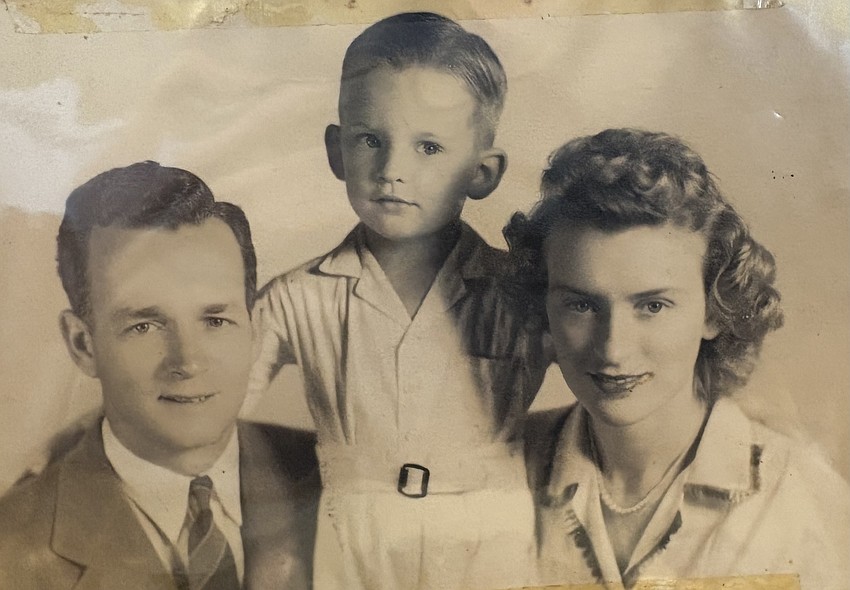
Ward Britt, pictured with his parents, Morgan “Ward” and Gertrude “Trudy” Britt, has many wonderful memories of growing up in Winter Garden.
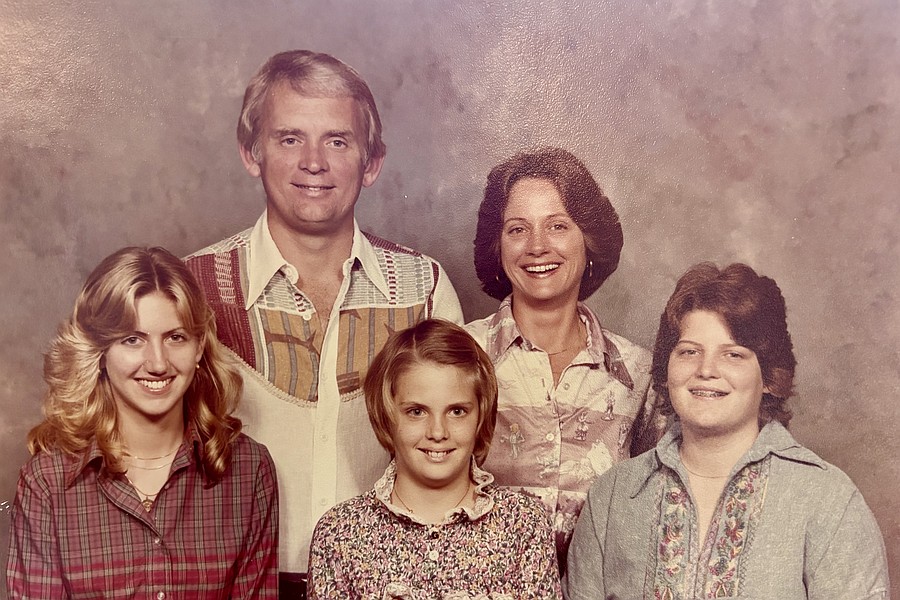
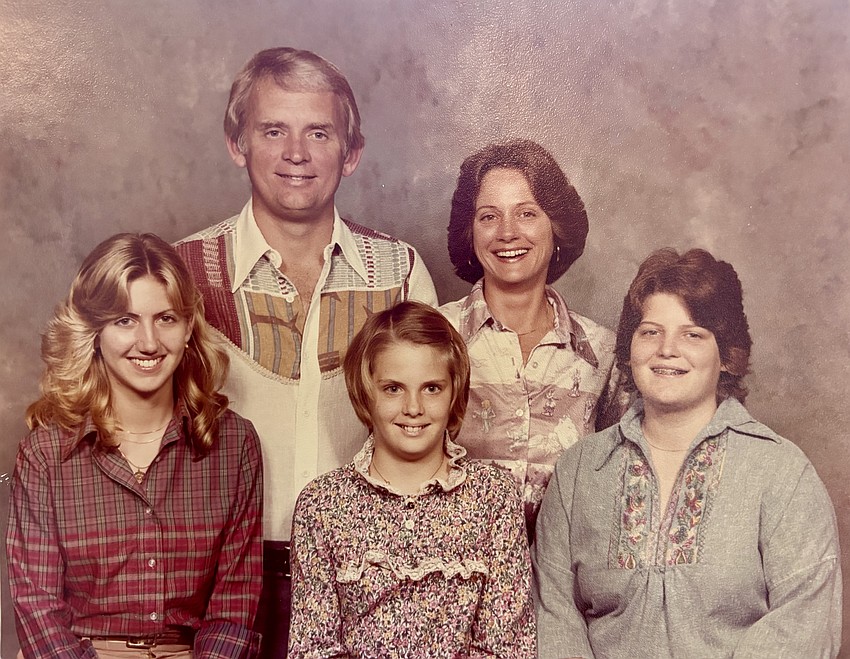
A family photo taken around 1978 features Ward and Judy Britt and their three daughters, Muffett, GeeGee and Heidi.
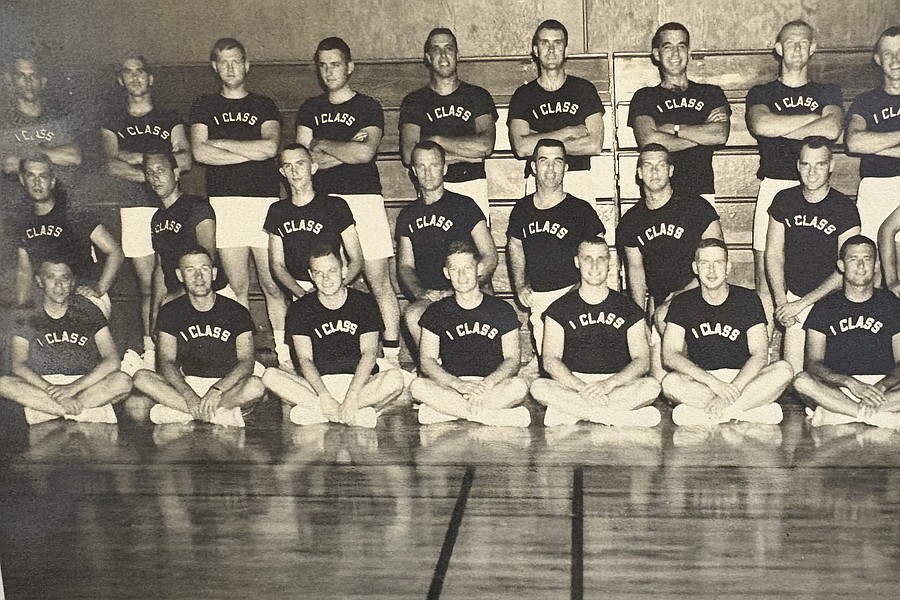
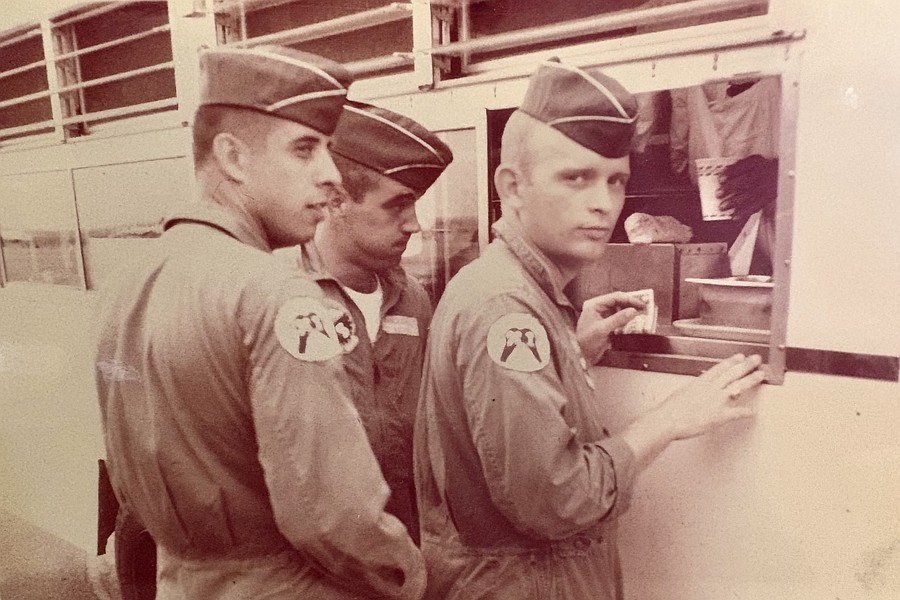
Ward Britt, second from left in front row, attended pilot training school at Laughlin Air Force Base in Del Rio, Texas, in 1965.
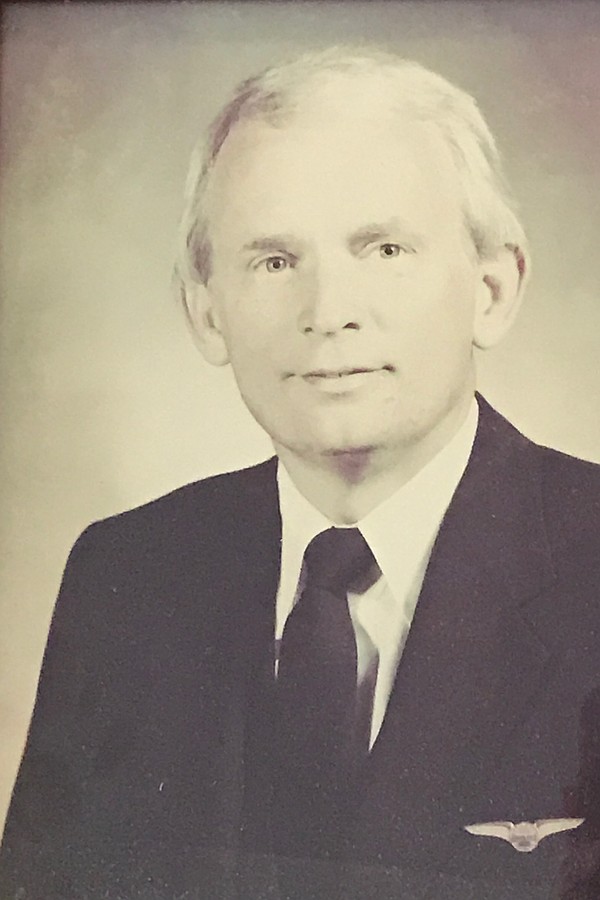
Ward Britt became a commercial pilot in 1968.
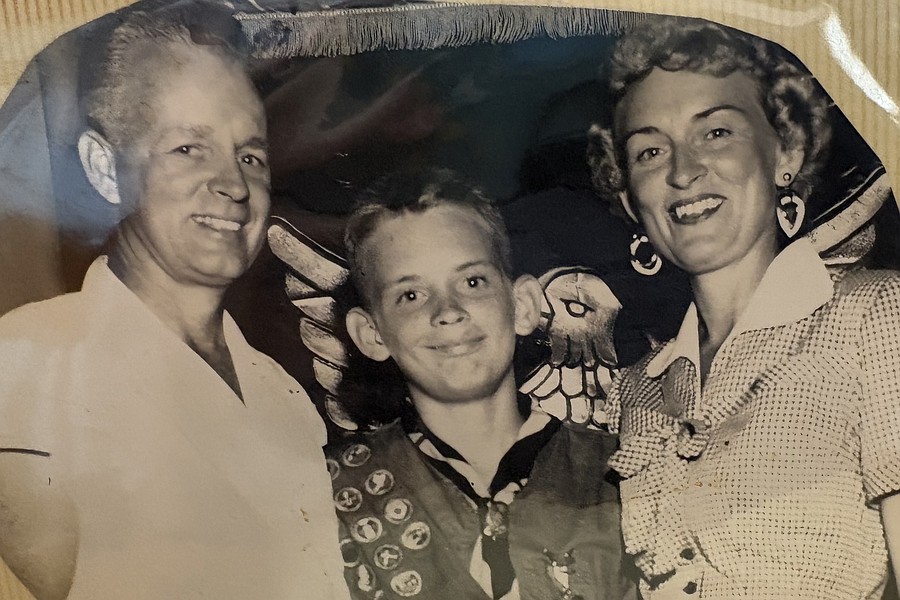
Morgan “Ward” and Gertrude “Trudy” Britt celebrated when their son, Ward P. Britt, became an Eagle Scout.
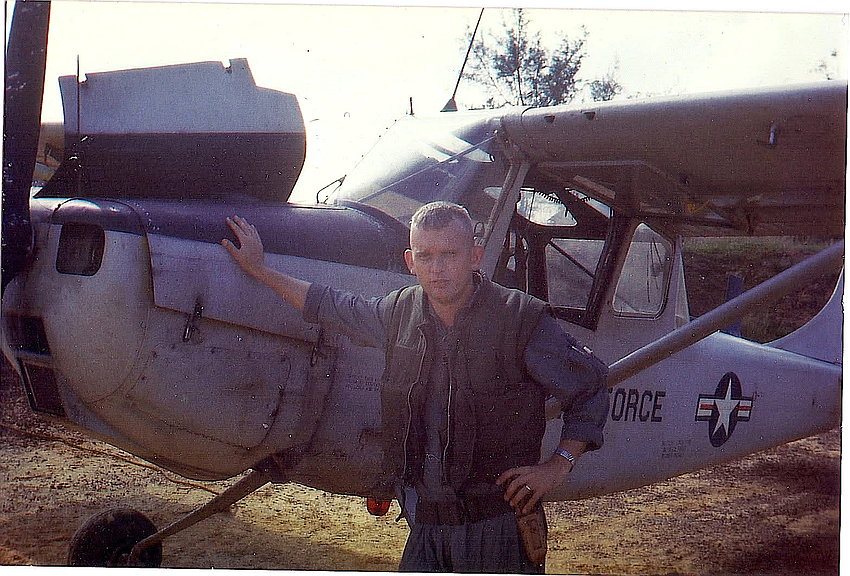
Ward P. Britt was a pilot in the Vietnam War.
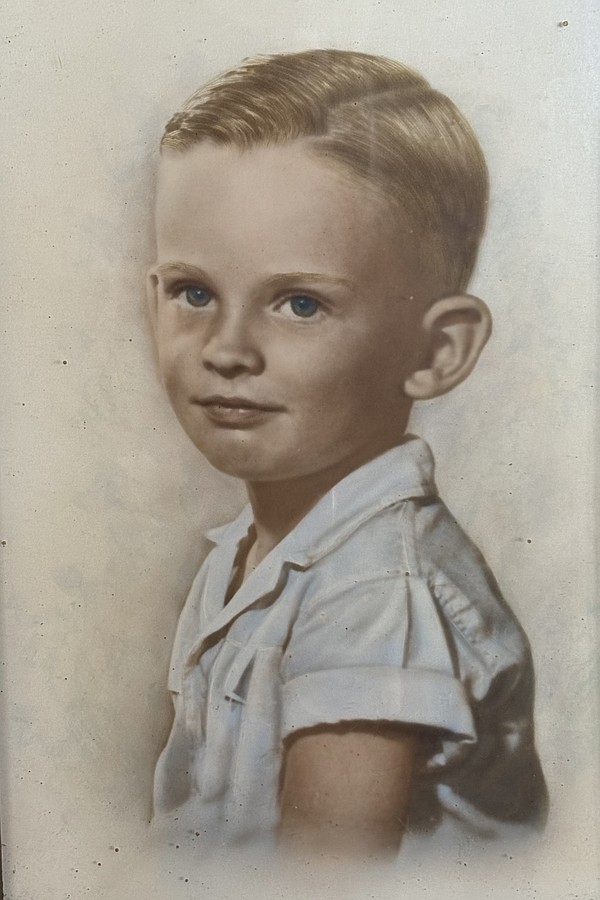
A colorized photo of a young Ward Britt hangs near the front entryway of his Oakland home.
Ward P. Britt instructed forward air controllers how to fly airplanes and survive in the Vietnamese jungles.
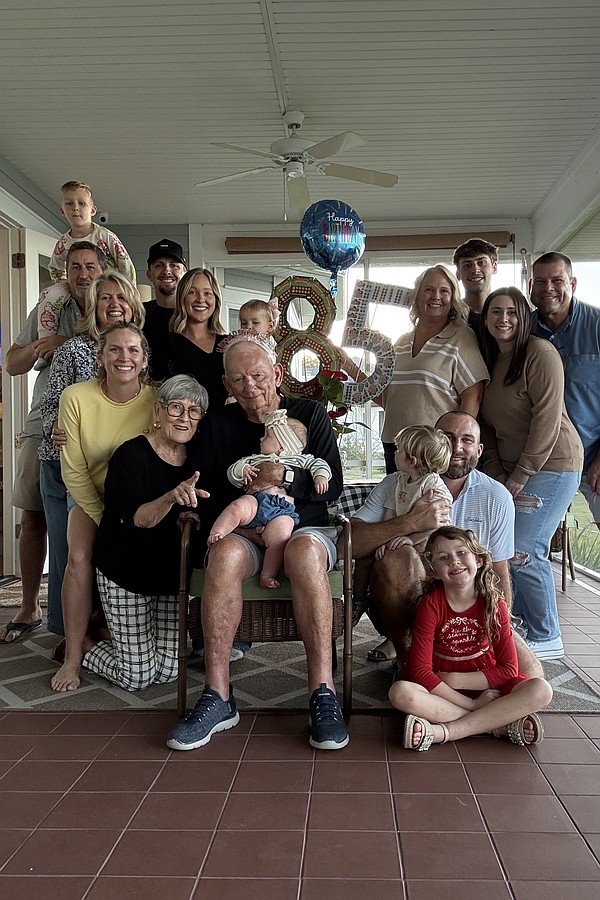
The entire family gathered last month to celebrate Ward Britt’s 85th birthday.
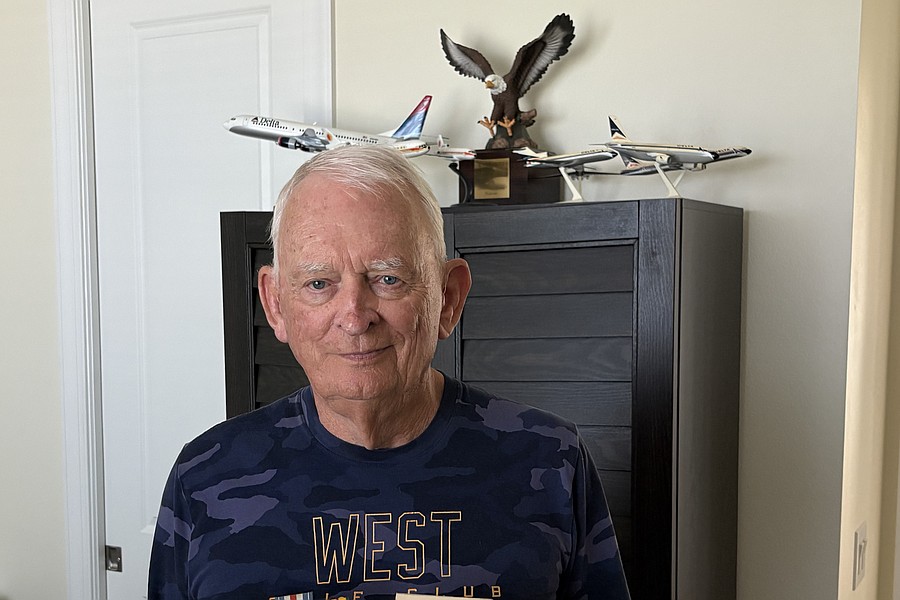
Ward Britt has a collection of all the planes he has flown throughout his life.
Editor’s note: Way Back When is an ongoing feature that records and preserves the stories and memories of lifelong West Orange and Southwest Orange residents.
Ward P. Britt always has returned to Winter Garden, the place he first called home 85 years ago as an infant. After high school, he left for The Citadel but came back. He served in the Vietnam War and returned home. As a commercial pilot, he was based around the United States and in Berlin, but Winter Garden eventually called him back.
Today, he lives less than three miles from his childhood home in the neighboring town of Oakland — but he’s in his hometown frequently to attend the church in which he grew up and to participate on the board of the Winter Garden Heritage Foundation, which houses many generations of Britt files, photos and newspaper clippings.
Britt’s first home, fittingly, now is a historical building. When he was brought home after his birth in 1940, it was to an apartment above the Winter Garden fire station on South Boyd Street. Today, it houses the SOBO Art Gallery.
The family eventually moved to a house one block south and then to a neighborhood near Lakeview High School. After graduation in 1958, Britt attended The Citadel — The Military College of South Carolina.
As the oldest child of four — he was followed by Bruce, Bonnie and Neil — Britt was a bit of a rascal, often finding himself in trouble at school and home.
He attended the old Winter Garden Elementary School on nearby South Main Street before moving on to Lakeview for his upper-level studies.
“The first bell woke me up, and I made it to school by the next bell, because I ran right across the street,” Britt said. “I didn’t wash my face, brush my teeth; I just put on my clothes and went to school. … I didn’t go to the corner with the crossing guard, and I got in trouble all the time for it.”
He had a hard time keeping up in school because of dyslexia and attention deficit hyperactivity disorder, he said.
“I struggled mightily in high school and barely passed,” he said. “If my last name wasn’t Britt, I probably wouldn’t have passed.”
When he was in high school, his mother was forced to take drastic measures to ensure he didn’t flunk out.
“My mother made my teachers sign a notice that I made a ‘C’ that week and I could go out that weekend,” he said. “If I didn’t make a ‘C,’ I couldn’t go to the football game, to dances, to the lake. … I wasn’t bad and didn’t do anything illegal, but I just didn’t care. I didn’t have a background in education. So, fun became the goal.”
‘WINTER GARDEN WAS PEACEFUL’
When he was out having fun, it usually was with buddies Stanley “Babe” Roper, Tommy DeLoach, Jimmy Varnadoe, Don Dickerson and Jack Woodley — they went all through school together.
Fun was what they made of it, and there was never a lack of something to do.
“We went out in the groves and shot rabbits and fished all the lakes,” Britt said. “We took rabbits and possums to the back area and sold them. And then we went spear fishing in Lake Butler and sold them, too, in the same place. We rented air tanks and went to all the springs and went diving; we had no earthly idea what we were doing or how dangerous it was. We would go to the bottom of the springs and fanned the bottom and found pottery.”
The family’s Britt Camp was on Lake Butler, and Britt and his siblings and friends camped there for three or four days at a time, surviving on rabbits and fish.
“That’s the reason I was such a bad student,” he said. “My goal was to keep my fun meter pegged.
“Growing up in Winter Garden was Mayberry,” he said. “When I was growing up here, the citrus industry was strong, people had money, people were friendly. … There were grocery stores and department stores right on Plant Street.”
Britt’s mother had a business, too — a girls clothing store on downtown Plant Street called The Bonnie Shop.
“Downtown Winter Garden was very busy and very successful; all the stores were busy,” he said. “We had Leader Department Store. We had restaurants, we had a movie theater, Bray Hardware store; Flip Sterns had Western Auto, Mr. Wolf had Wolf’s Hardware Store.”
It was at Wolf’s that Britt got one of his first tastes of punishment.
“He caught me stealing,” he said. “I bought a new fly rod, and I spent all my money, and I needed plugs. … I was at the gas station about an hour, and Mother said, ‘Come home.’ She marched me back to the store by my ears and made me apologize to Mr. Wolf and give it back.”
Fishing was an important and popular sport in the 1950s when Lake Apopka was an international bass fishing mecca.
Britt’s father operated the city docks at the lake’s edge in 1951-1952, and he sold bait to the fishermen and candy and sodas to the children at the community pool.
“We rented boats and motors, and we’d go fishing every day and catch lots of bass,” Britt said. “Lake Apopka was clear back then. I used to waterski — in those days it was two feet deeper than it is now.”
Britt said he knew he always would live in Winter Garden, just like his dad did.
“Winter Garden was peaceful,” Britt said. “The war was over. Everybody had money. Citrus was king. We had car dealerships in downtown Winter Garden.”
He bought his first new car, a Ford Fairlane, at the Chevrolet dealership at the southeast corner of Plant Street and Highland Avenue. And it was in that very car that he faced a night in the local jail for spinning out at Monk’s Drive-In diner on Dillard Street.
“I called Mother, and she came and got me,” he said. “The next time it happened, she left me there.”
After high school, Britt continued his studies at The Citadel — and then returned to his beloved Winter Garden to live for one year before he started pilot training. He taught one year of seventh-grade geography at Lakeview High.
“The worst job I ever had,” he said with a laugh. “Mr. Higginbotham was the principal, and Mother was registering Neil for school. He mentioned he needed a teacher. … I didn’t know the first thing about geography. Mr. Higginbotham told me I was going to have … kids who had been in seventh grade two or more years. ‘Your job is to maintain discipline; you keep them quiet.’”
While the teaching position was miserable, Britt said he and a few of the other single male teachers made time for fun. They played poker, hung out at local bars and bowled nightly, usually throwing the last ball at 2 or 3 a.m.
It was during this time he met the woman who would become his wife. He and Judy were introduced at a party on Lake Butler and got married in 1965. They enjoyed 55 years of marriage and built a large family of three daughters, four grandchildren and five great-grandchildren (with another on the way).
“I told Judy, ‘I married you because you were the most beautiful woman who ever gave me the time of day,’” Britt said.
GENERATIONS OF BRITTS
Britt’s father, Morgan “Ward,” was a farmer, inheriting land and groves from his father, Morgan Henry. The elder Britt owned 50 acres near the intersection of East Plant Street and West Crown Point Road, land he eventually would pass down to his four children and later would be home to the popular Starlite Drive-In movie theater.
Morgan “Ward” Britt lived on Lakeview Avenue with his parents and two brothers, Henry and Merritt. The three siblings often set out on adventures. They rode their bikes to Highway 50 and then walked seven miles on a dirt road to Lake Butler.
“They’d be gone about a week,” Britt said. “Their mother didn’t worry about them. They had a gun, they all had knives and fishing poles. … They probably slept on the ground, bathed in the lake. They would take a pound of bacon and go out there. They had a big old boat they fished in. They’d eat fish, and when they ran out of food, they’d go home.”
Morgan “Ward” Britt married Gertrude “Trudy” Martin after high school, and then he was shipped overseas during World War II. His deployment was short-lived; he was wounded in the Battle of the Bulge after about five days when a mortar shell exploded, sending shrapnel into the side of his face.
“God wasn’t ready for him; it wasn’t his time,” Britt said. “He came back, convalesced in Japan and then in Daytona. I was born while he was gone.”
Following the war, Britt’s father took up farming on family land. After a while, he wanted to get out of the farming business, so he became a fertilizer inspector for the state and traveled all over Florida. He switched careers when a Continental Can Co. employee willed him his job upon his death. Neither position fulfilled him, Britt said.
His father’s life went in a different direction in 1958 when he was buying wood at West Orange Lumber Co. to build shelves and the owner asked him if he would like to buy the company. After much deliberation, he borrowed $70,000 and made the move. The lumber business was booming, and he paid off the debt in two years. He also paid for Britt’s college and paid off the mortgage on the house.
HEADED TO VIETNAM
With a degree from The Citadel in his hand in 1963, Britt was commissioned a second lieutenant and devoted six years to military service. He attended pilot school in Del Rio, Texas.
“If they’re going to give the world an enema, they’re going to give it there,” he said.
A little over a year later, he was assigned to the B-52s at Dyess Air Force Base in Abilene, Texas, but first went to California for flight training and nuclear bomb training. He said he didn’t like the airplane or the mission.
“We would fly for 12 hours (to the Aleutian chain of islands) and come back,” he said. “They called it Chrome Dome – a strike force for if a nuclear war started, we would be the first to go into Russia.”
In 1966, he applied for and got accepted to be a forward air controller in the Vietnam War.
“I was a lucky boy to survive it,” Britt said. “There were so many times I came close to being killed. I was flying at 1,500 feet at 60 mph. One of these got shot down with a bow and arrow once.
“I was in Vietnam a year,” he said. “We flew all day every day. It was dangerous. It was a serious time in my life, and I got some medals for some dumb things I did over there.”
Among his medals were the Silver Star, Bronze Star, close to 30 air medals and a distinguished service award.
For the next year and one half, Britt served as an instructor for forward air controllers headed to Vietnam.
Ward and Judy Britt settled in Kelso on Lake Butler, building their home in 1975.
A career change took Britt into the skies flying for commercial airlines — a far cry from the dangerous airspace over Vietnam. First was a 10-year stint for National Airlines, followed by 10 years with Pan American World Airways after it bought out National. For five of those years with Pan Am — from 1985-1990 — Britt was a copilot based in Berlin and witnessed the fall of the Berlin Wall. He returned to the United States and advanced to captain. After Pan Am went bankrupt, Delta Air Lines bought the international piece. Britt continued with Delta and eventually became a flight instructor.
He retired from Delta in 1999.
“I was burned out from mergers, hotel rooms, crew bus rides and eating airport food,” he said.
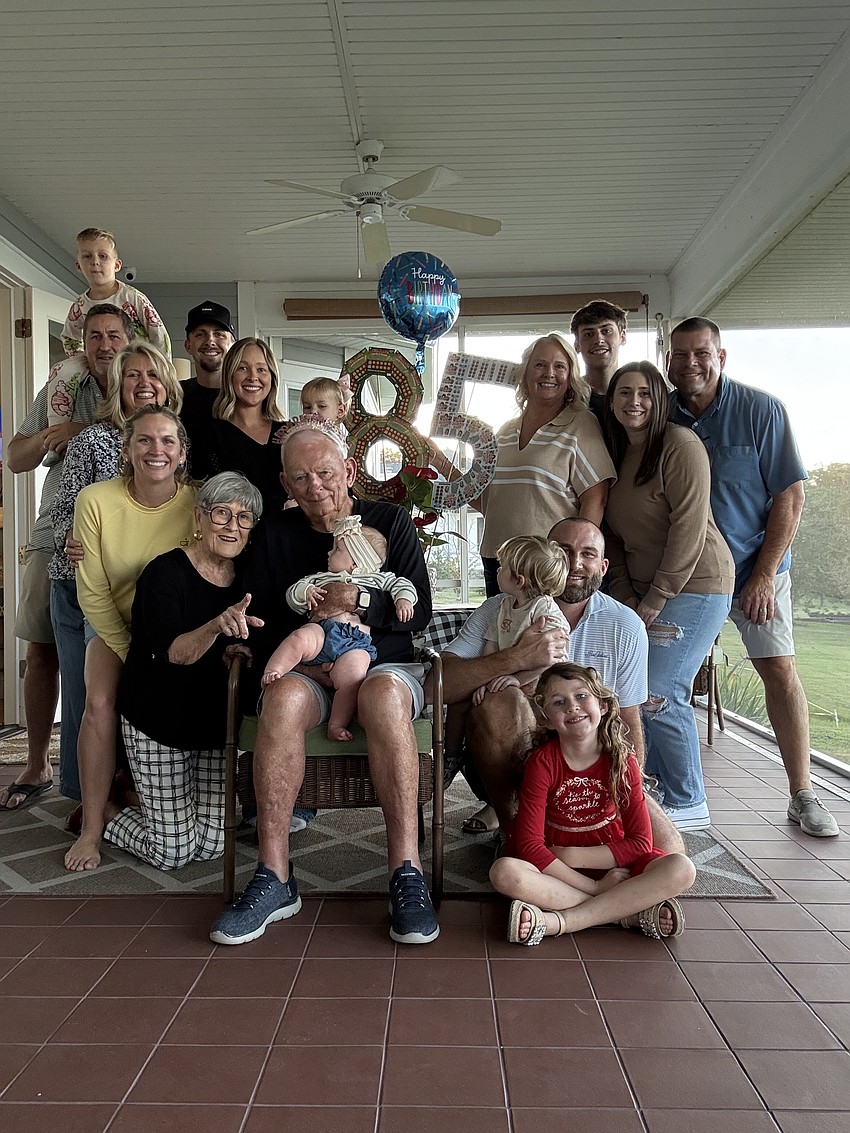
Britt enjoys living on Lake Apopka, where he has a big, screened porch with a spectacular view of the lake, his pontoon boat and several alligators that frequent the lake bank. He and his late wife bought the property 35 years ago as an investment, and although he was against the purchase at the time, he’s grateful she insisted. They built the house and made it a home for three years before she passed.
His retirement years have afforded him the opportunity to give back to his community. He is an usher at the First United Methodist Church of Winter Garden, where he has attended for all of his 85 years. He also joined the heritage foundation and served as president starting in 2001.
In his free time, he enjoys the outdoors, hitting the golf course several times per week and going fishing and hunting.
At his sister’s urging, Britt asked out longtime Winter Garden resident Andy Davis, who served for years as the board secretary for the heritage foundation.
“I took her to Chef’s Table; we hit it off,” he said. “We see each other every day.”