- March 27, 2026

-
-
Loading
Loading
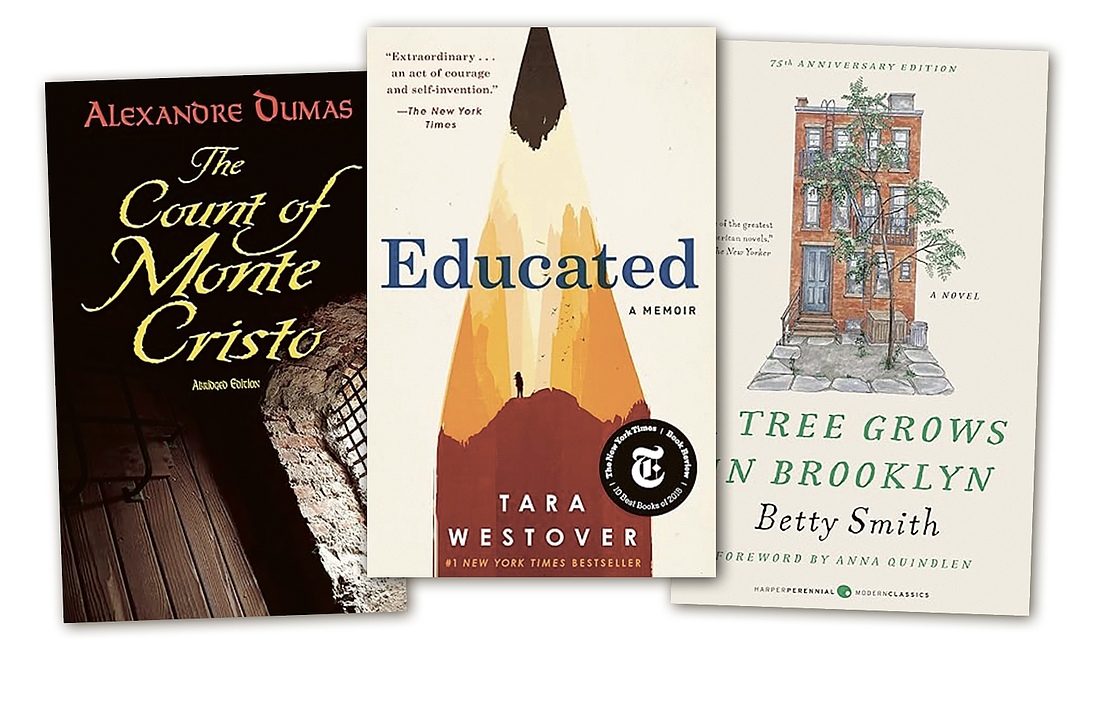
We don’t judge a situation based on reality. We judge based on what we know. When we don’t fully understand the evidence, we make mistakes. It can be helpful to learn from the mistakes of other people, even if the ‘people’ are fictional characters. Here are three of my favorite books on truth, lies and difficult choices.
1. “The Count of Monte Cristo” by Alexandre Dumas
Edmond Dantes is dangerously naive. He has money, a beautiful partner and a loving family. Then, on the night of his betrothal, he is framed as a political conspirator by his rivals. Only 18 years old, Dantes is thrown in prison for over a decade and completely forgotten. Entombed with his thoughts, Dantes comes to terms with the lies of his so-called friends and spins his own false truth. He believes he has been reborn as the person fated to impart justice on the people responsible for his ruin—even if it means destroying himself to do so.
“The Count Of Monte Cristo” is a psychological tale of imprisonment and redemption. With a twisted storyline that spans decades, Alexandre Dumas guides you through his world of social hierarchy, gossip, theft and sometimes murder. Fans of mysteries, historical fiction and secret plots will love this book. It has been my favorite since I ‘borrowed’ it from my mother several years ago, and I don’t think she’ll be getting it back anytime soon.
Personally, I love that the story shows Dantes as flawed. Of course, his rivals were greedy and manipulative but Dantes was obsessed. He never stopped to consider he might be worth more than the jealous men who threw him in jail. I always thought of him as a great force of nature but a very sad person.
2. “Educated” by Tara Westover
Tara Westover believed her life belonged to her family. She was born to a survivalist Mormon family living deep in the Idaho mountains. As a child, she was obedient and quiet even when in pain. Growing up starved for information, she believed what her father told her: they were the chosen ones, and everyone else was blind to the truth. But as she evolved, Westover began to wake up and wonder who the blind people really were.
Even though it’s a memoir, “Educated” feels like fiction. It’s hard to fully understand what Westover went through. Starting with her childhood in the mountains of Idaho, she fought to attend high school, keep a job and attend college despite her father’s anger. Eventually she is left with a foot in each world, struggling to be loyal to her family and the real world.
It’s a story I love because of its pain. Westover doesn’t just grow up — she outgrows the people who raised her and breaks free. Her ability to fight for her success against all odds is inspiring and beautiful. Westover was never encouraged to learn or to form her own opinions. To think clearly, speak and be heard — I can’t imagine any greater privilege or power.
3. “A Tree Grows in Brooklyn” by Betty Smith
Francie is a girl who grows up being told poverty is a crime. Her mother is the daughter of Austrian immigrants, her father the son of Irish immigrants, and her family often goes days without food. As a child, Francie dreams of being a writer. When her father dies, Francie’s world crumbles from its already precarious stability. She is plunged into the chaos of Brooklyn, trying to earn money and keep her family afloat.
“A Tree Grows in Brooklyn” is a novel about living, through the good years and the bad. Betty Smith is descriptive and almost romantic, like she is writing a love letter to her earlier self. It originally was published in 1943, but you would never guess by the relatable writing.
My favorite scene is when Francie, then finishing middle school, meets with her language arts teacher to talk about her writing. Her teacher is aggravated by Francie’s recent compositions. “Drunkenness belongs in jail, not in stories,” Francie’s teacher tells her. “People are poor because they’re too lazy to work. There is nothing beautiful about that.” She tells Francie to go home, burn her compositions and write stories with more imagination and truth. Francie does burn her papers: she burns her compositions about fairies, perfect October days and distilled sunsets, keeping only the stories about her life. I love Francie’s silent assertiveness — and it’s ironic she is patronized for writing realistically, when a gritty perspective is what makes this classic stand out.