- March 20, 2026

-
-
Loading
Loading
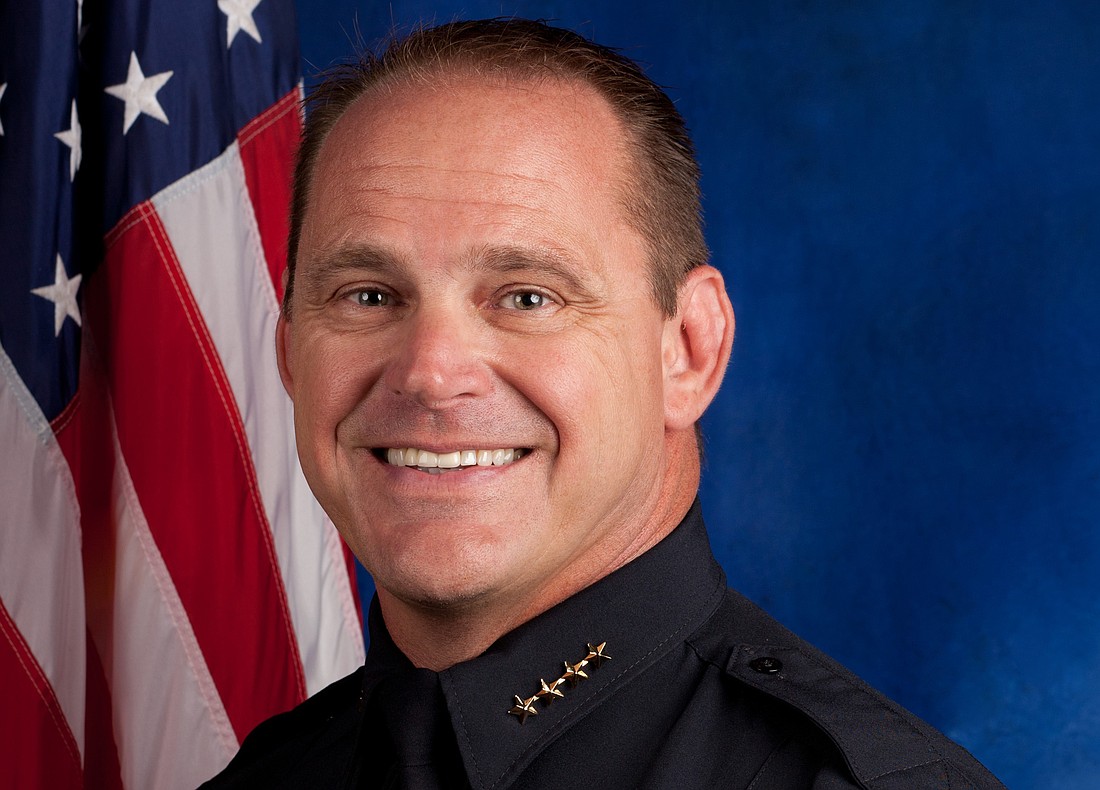
Developing relationships among those in the Windermere Police Department and the community is crucial to ensuring officers can protect and serve the community.
Police Chief Dave Ogden always is looking for opportunities to provide training for his officers that will help them be successful in their mission of serving others.
So when he was conducting research on new training tools “focused on coaching and equipping the next generation of law enforcement” and discovered CORE Recon, he jumped at the chance to be involved.
“Police departments are exceptional at preparing officers for critical, high-liability confrontations — the kind of situations where lives are at stake and decisions are made in seconds,” Ogden said. “However, what often goes under-trained and under-appreciated are the day-to-day conversations that shape team dynamics, leadership trust and culture. These are the interactions that, over time, can erode trust, avoid constructive conflict and result in a lack of commitment and accountability, all of which compromise mission effectiveness.”
Windermere Police Department is among one of the first non-military agencies in the country to undergo training in CORE Recon, a digital tool and assessment that is temperament-theory based.
“It aims to help you understand other people so that you can connect with them better,” said Jesse Stanley, a CORE Recon facilitator who worked with the Windermere PD.
Stanley said law enforcement is a “relationship-based profession” that succeeds or fails based on its ability to have effective relationships.
CORE Recon is a tool that has enabled Windermere PD to “apply emotional intelligence, build trust, resolve conflicts effectively and gain a deeper understanding” of how each person in the police department operates, Ogden said.
Each leader and officer in the police department took the assessment in minutes to see how they prioritize four temperaments: caring, organized, rational and energetic. For example, Stanley said those who are rational always are questioning the “why” behind an action while those who are energetic want to know what are the actions.
CORE Recon helps people have more self awareness of how they handle situations as well as be aware of how others will approach a situation to allow for better communication to problem solve.
“By understanding you, what is a priority to you, what’s important to you, I can actually meet you where you’re at and strengthen our relationship,” Stanley said.
Ogden said data shows newer generations of officers struggle with nuanced interpersonal challenges, but training and encouragement can assist in officers resolving lower-level yet complex team dynamics. Being able to address minor tensions, miscommunications and personality clashes produces stronger, more resilient and more effective officers, he said.
“In high-functioning teams, these issues are handled at the peer-to-peer level, where trust and accountability are shared,” he said. “There’s no need for the boss to step in and mediate, and frankly, if the supervisor has to address these kinds of interpersonal breakdowns, the team is already failing at a foundational level.”
The training also can help officers when interacting with the community. They can identify signs based on someone’s behavior of what their temperament is and therefore, how to best handle an interaction.
Ogden said officers understanding their own strengths and weaknesses, communication style and behavior under stress will make them better equipped to serve effectively and build trust in the communities they protect.