- March 27, 2026

-
-
Loading
Loading
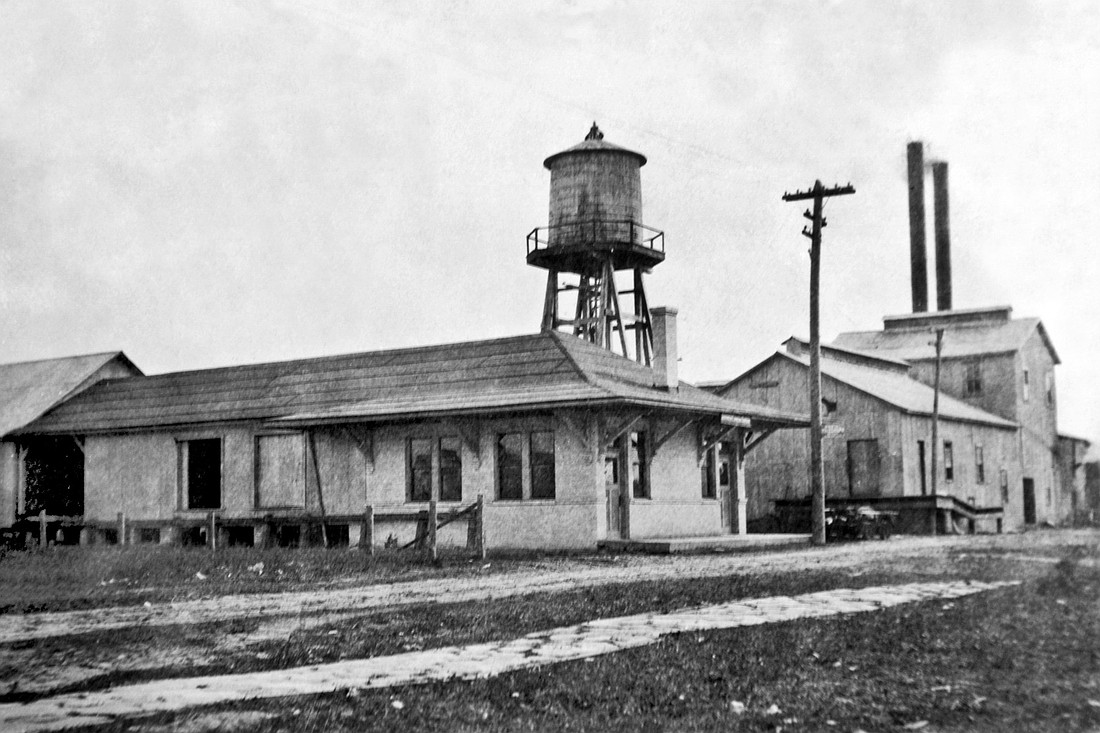
It’s easy to miss the hard work that keeps Winter Garden’s quaint, small-town feel alive. A melting pot of vibrant history and deep roots, the West Orange area often feels timeless — not many realize that preserving history is a difficult job of its own.
Luckily, for the past 31 years the Winter Garden Heritage Foundation has been doing its best to preserve Winter Garden’s juicy past.
Jim Crescitelli, director of operations and programming at the WGHF, has lived in the area since 1978 and has been working with the foundation for 13 years. Crescitelli is one of four staff members at the foundation tasked with preserving the history of West Orange.
“We gather and preserve the history of West Orange County,” Crescitelli said. “Not many people know what West Orange County’s all about. It’s agriculture, cool architecture and railroads. We try to preserve that history and present it.”
Although its main mission is to protect what’s being forgotten, the WGHF also works to engage the public and create new cultural experiences. History exhibits, museums, field trips—anything to do with West Orange County, the WGHF is on it.
The foundation keeps an archive filled with everything collected over the years — school photos, mementos, pins, American Indian artifacts, old books — contained in one room. When the lights are flipped on, there are rows of shelves, floor to ceiling, 8 to 10 feet in the air. There are bins, cabinets and boxes filled with Winter Garden’s history. This little building contains everything left of the innumerable lives lived before we got here, people and cultures forgotten.
Winter Garden in the 1800s and 1900s was a hard-working community.
“It was a small population of people based in citrus — anyone who wanted to work could get a job,” Crescitelli said. “We were the biggest citrus shipping point on the globe.”
Working-class people were leading the community and creating waves in the citrus trade. Money flowed into old Winter Garden, and the buildings of downtown began going up. But because of a mix of factors in the 1960s, ’70s and early ’80s, inflation rose, and unemployment rates climbed. Downtown stagnated, shops were left empty and the old railroad tracks remained unused. But even as the economy declined, old infrastructure stood strong.
“The built environment was constructed here starting 1912 and 1913,” Crescitelli said. “All that survives because of the fact that during our downward years, who was going to spend money to tear down a building and put something else up?”
That old infrastructure and its architecture has been preserved.
“So we have preserved our architecture, and we appreciate it,” Crescitelli said. “Because it’s a small town, so many people remember the stores, the shops and the buildings. It’s close to their hearts, and they want to see those standing and repurposed.”
A perfect example of this is the Garden Theatre. Opened in 1935 and closed in 1963, it was used as a storage warehouse by Pounds Motor Company for 39 years. In 2002, it was purchased by the city of Winter Garden and a collaboration between the city and WGHF ended in the theater’s successful reopening in 2008. The WGHF still works to keep the theater busy with shows and concerts. This holiday season it will be working with Opera Orlando to present a two-day holiday production of “All is Calm: The Christmas Truce of 1914.”
The WGHF needs the support of West Orange to continue its work — and the foundation offers a plethora of ways to do so. There is a membership with benefits such as exclusive members-only events, a quarterly newspaper and discounts in the gift shop. But the real perk of being a member is helping to maintain the community and all its quirks.
Direct donations to the WGHF supports its museums, field trips and ability to continue educating the public.
As a bonus, the WGHF always is looking for volunteers to help in the archives and museums.
“They should have knowledge of local history, or love it enough to want to do it,” Crescitelli said.
As for collecting artifacts, the WGHF works with what the foundation is given. “We’re in the business of asking people to donate and share what they have,” Crescitelli said.
He explained the foundation receives a lot of artifacts through tips from locals and dumpster diving history buffs. They also reach out to homeowners and “try to educate people about the historicity of the building.”