

- April 2, 2026

-
-
Loading
Loading
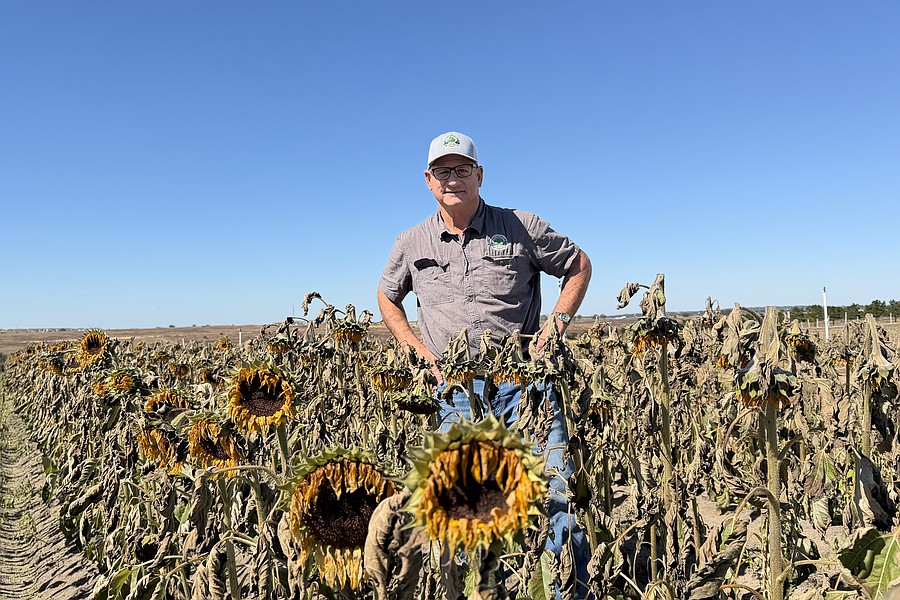
Southern Hill Farms owner David Hill said the farm has lost at least 35% of its annual income as a result of the frigid temperatures. The sunflowers will need to be replanted.
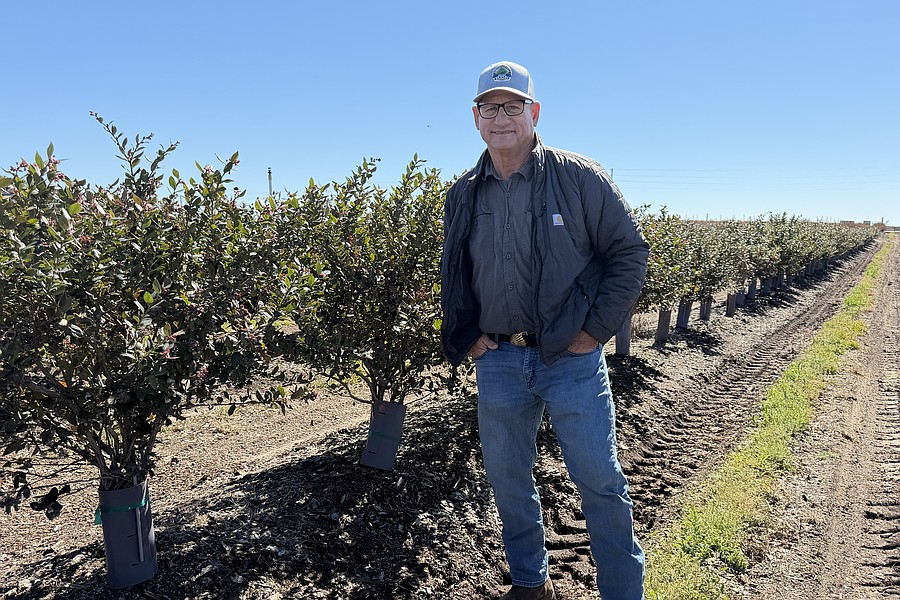
Southern Hill Farms owner David Hill is hopeful the farm’s blueberry bushes will be back to normal by April, along with its strawberries and sunflowers.
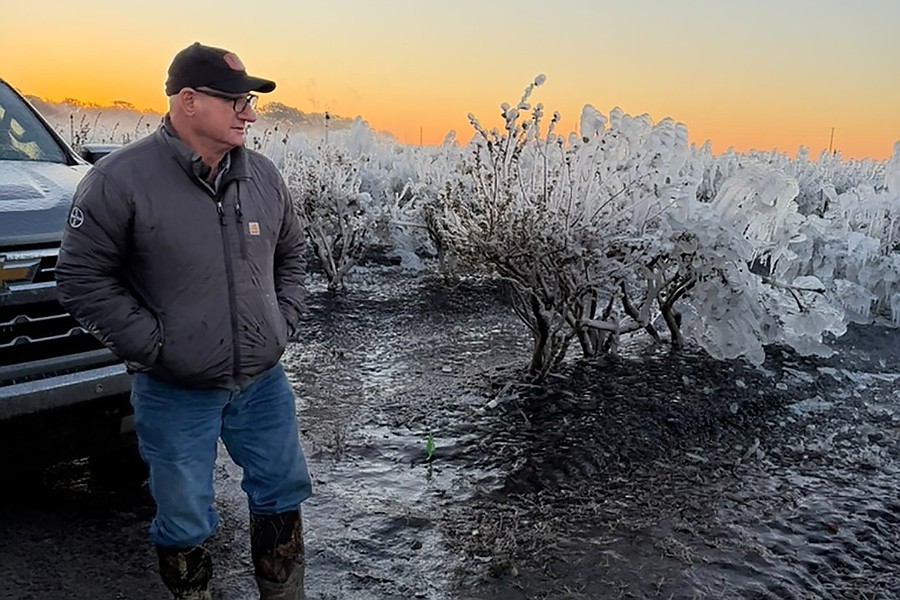
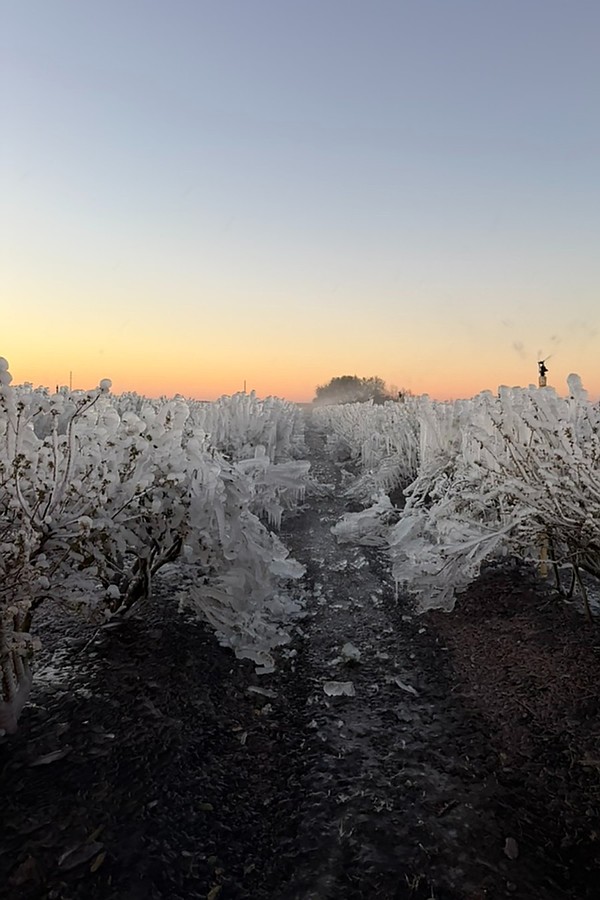
Southern Hill Farms owner David Hill worked 24 hours Saturday, Jan. 31, into Sunday, Feb. 1, in hopes of saving crops using a freeze protection method.
The ice destroyed several blueberry bushes.
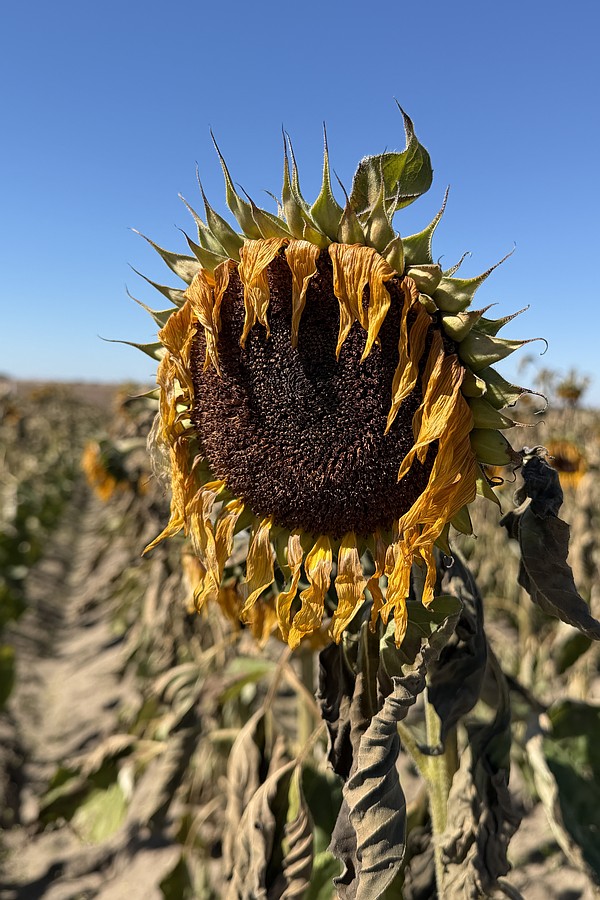
The surviving sunflowers were left shriveled.
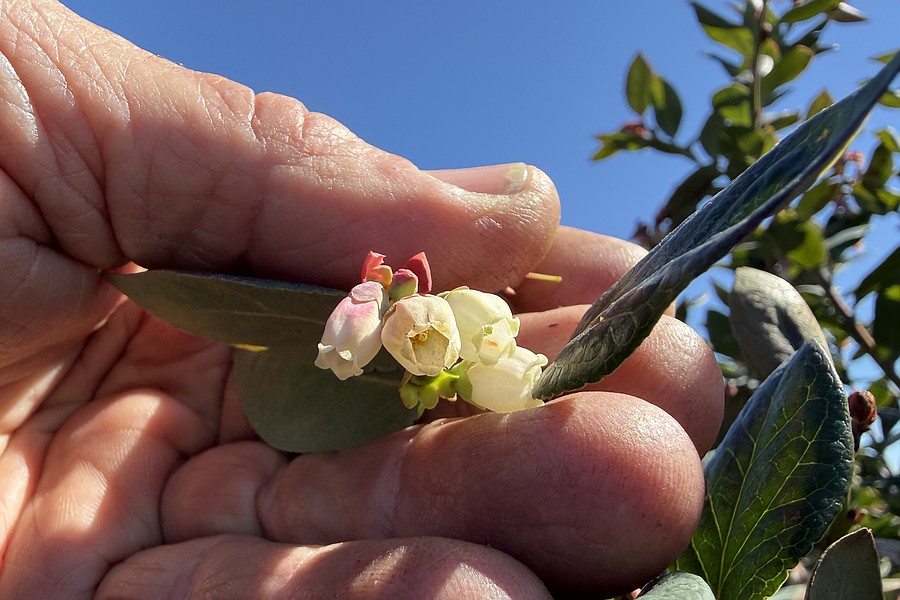
Southern Hill Farms owner David Hill said the white on the blueberry bushes means there is a chance for good blueberries.
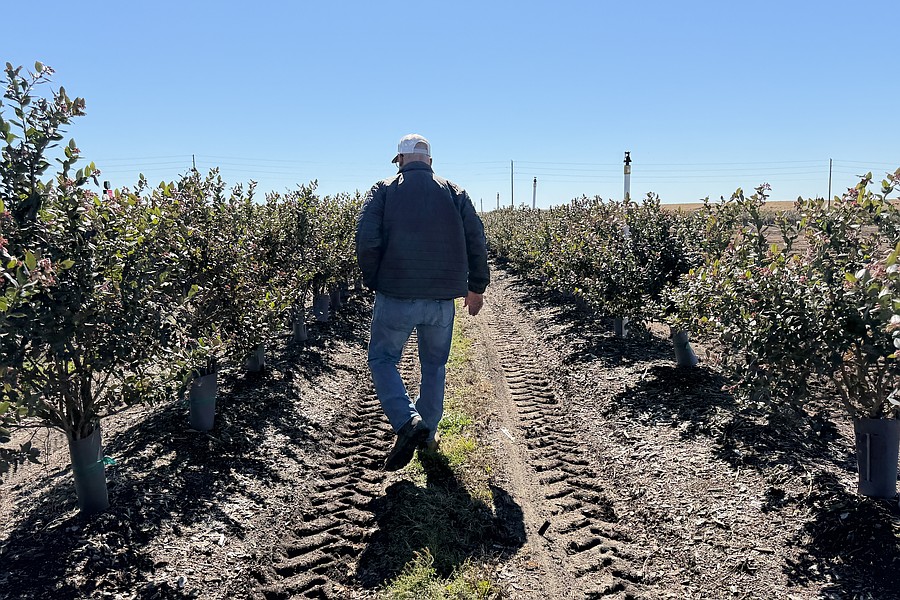
Southern Hill Farms owner David Hill walked through the blueberry fields checking on how they were doing after the cold temperatures.
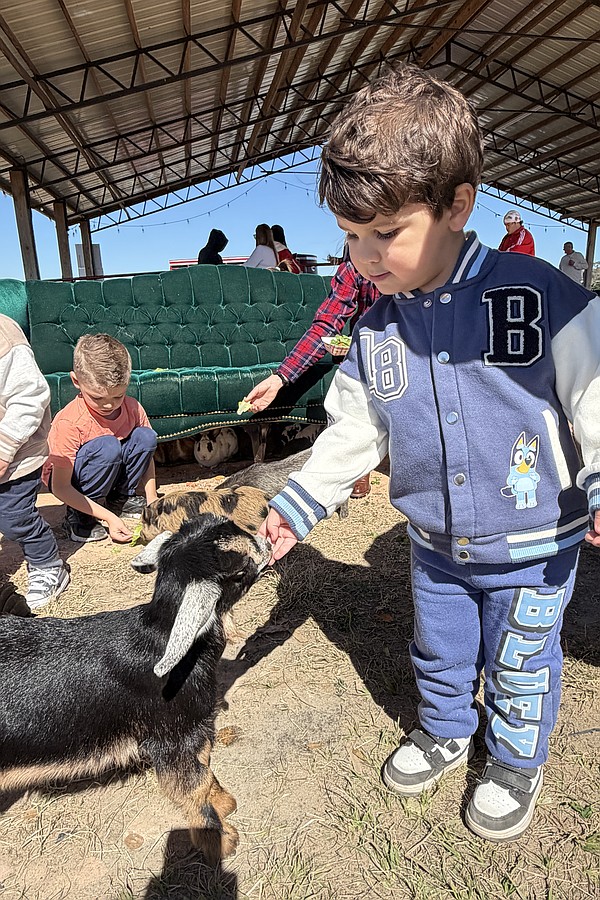
Ezra Gonzalez, who is 2, laughed as he fed a baby goat.
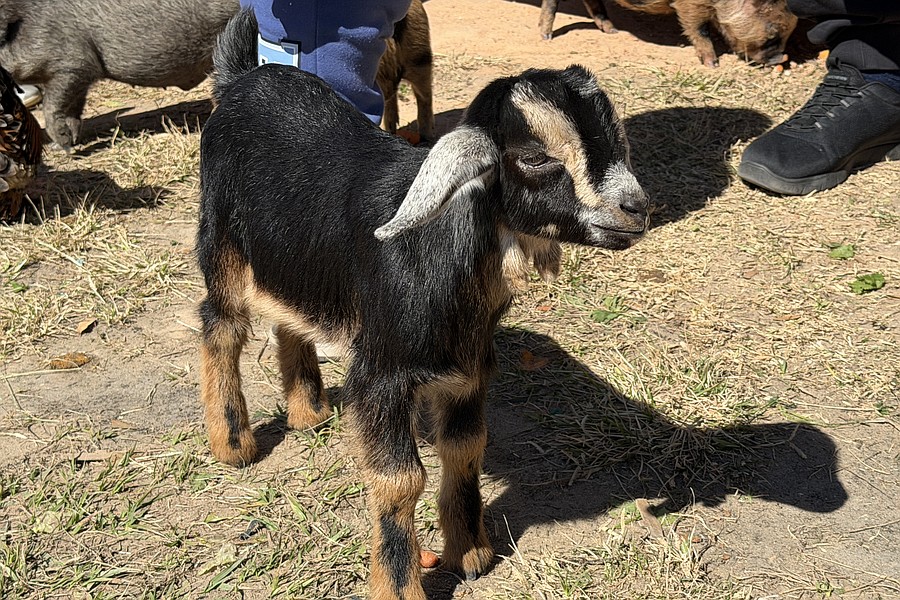
Baby goats were available as part of Bella's Little Farm Mobile Petting Zoo.
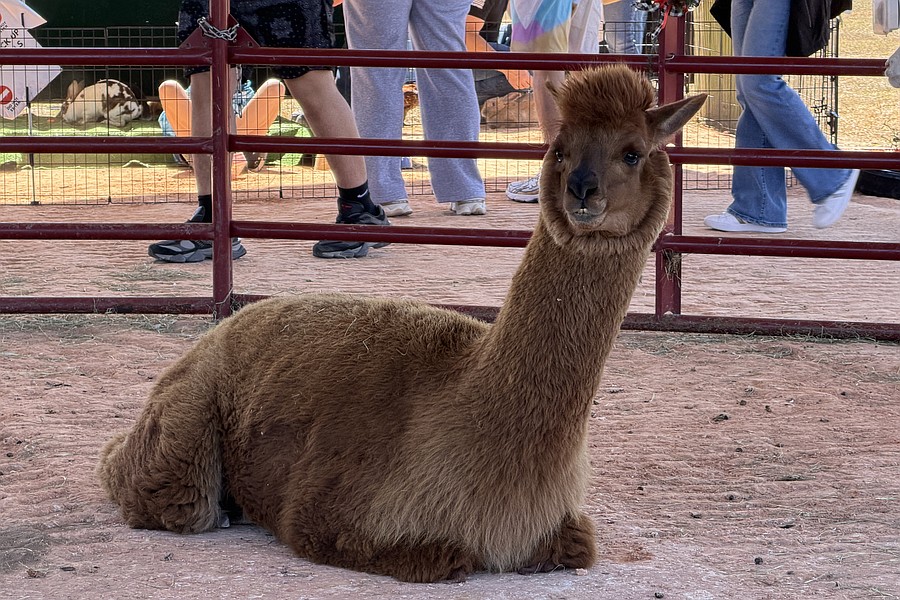
An alpaca rested in the petting zoo. Southern Hill Farms will have a petting zoo available occasionally when the farm is open to the public.
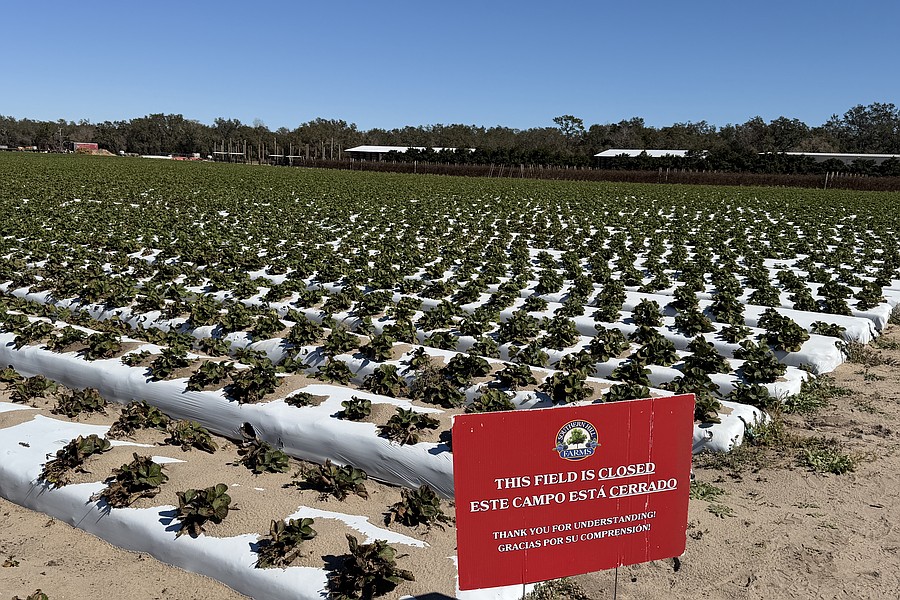
Strawberry fields were closed for picking to maintain the surviving strawberries after the cold temperatures.
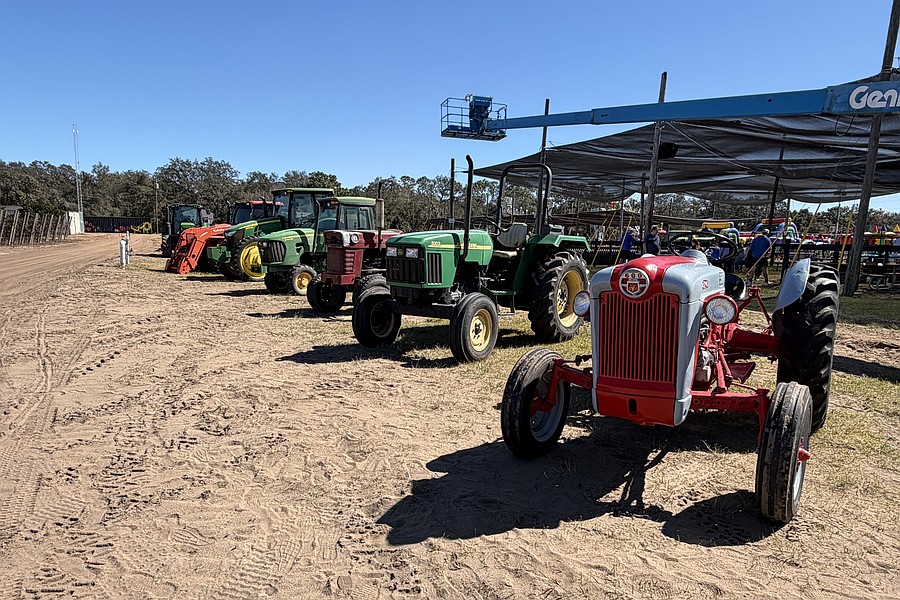
Southern Hill Farms had several tractors from throughout the years on display for people to sit on and enjoy.
Carnival rides are a big aspect of Southern Hill Farms' agritourism. Owner David Hill said the agritourism aspect of the farm will be crucial to its survival.
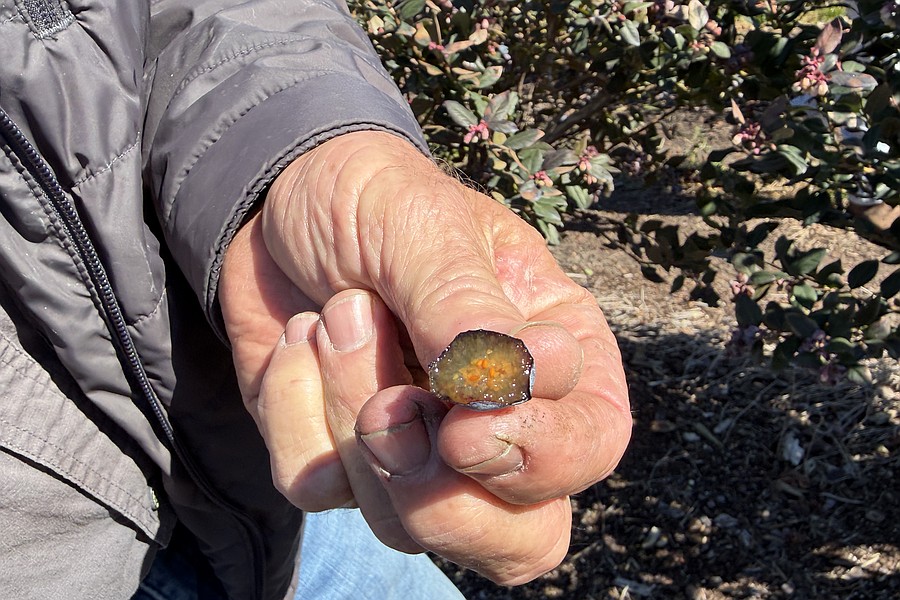
Many blueberries are rotten inside as a result of the cold temperatures.
Lucy Potts provided live music at Southern Hill Farms Saturday, Feb. 7. Live music constantly is performed at the farm.
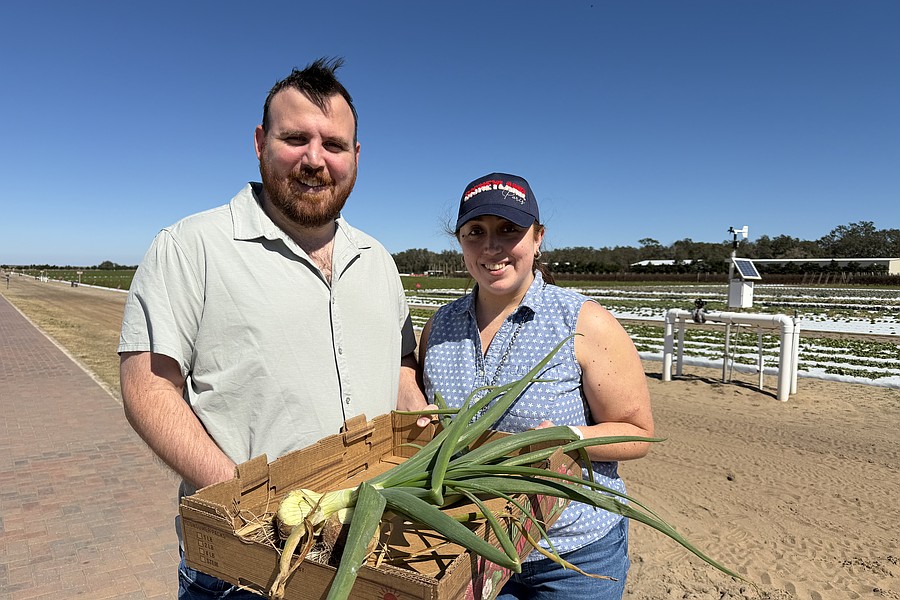
Horizon West’s Scott Cirino and Marina Cirino picked onions at Southern Hill Farms to support the local farm after it was severely impacted by the frigid temperatures.
Horizon West’s Marina and Scott Cirino scoured through a vegetable field at Southern Hill Farms and picked two onions.
The fields looked vastly different than when Marina Cirino visited for the first time last year.
She recalled the fields in February 2025 being lush with green and sunflowers standing bright and tall.
As the Cirinos walked around the fields Saturday, Feb. 7, they saw empty fields that once had sunflowers and zinnias and sunflowers in another field shriveled and drooping. There were signs notifying people the strawberry fields were closed for picking as the strawberries that were left after the frigid temperatures of Saturday, Jan. 31, through Monday, Feb. 2, needed to be maintained. Although the blueberry fields still had bushes standing, the blueberries on them were rotten.
It was not the Southern Hill Farms Cirino remembered, but she and Scott Cirino were determined to support the local farm that has been open since 1999.
The community support is what continues to lift Southern Hill Farm owner David Hill’s spirits.
“We’re just trying to make it there,” Hill said. “That’s our main thing. We’re trying to survive, which I think we will. It depends on how the community shows up.”
Knowing the extreme cold was coming, Hill had to make a decision on whether to run the irrigation system and water the fields.
The water could either help or hurt. A positive result would be the water would create ice on the crops, leading to freeze protection. A negative result would be the water creating ice too heavy causing the crops to break or fall.
Hill and the team at Southern Hill Farms took a gamble, deciding to have the water run on a few blueberry fields with hopes of saving an early crop. The rest of the fields were not watered because of the risk of damage.
They turned the water on at about 7 p.m. Saturday, Jan. 31. Ice was forming by 8 p.m.
But by midnight, outside factors such as wind caused chaos.
Temperatures reached as low as 21 degrees in the fields throughout the night of Saturday, Jan. 31, with sustained winds blowing at 25 mph and gusts of up to 40 mph.
Hill said the combination of frigid temperatures and high winds made it impossible to have enough water to properly cover the plants. The winds also made it so the ice wasn’t the right type of ice for freeze protection. He said a clear coating that acts as a sheet of ice on the leaves, berries and flowers is optimal, but the weather turned the water into a mist causing the ice to be milky and not cover the plants properly.
The attempts to use freeze protection to save the crops were unsuccessful. Blueberry bushes turned into ice sculptures that resulted in rotten blueberries.
Hill said there probably was 100 pounds of ice on each plant, so the branches were breaking off and the plants started falling over. Once the roots were out of the ground, it was game over for that plant.
In his 40 years of farming, Hill said he doesn’t recall such a horrendous combination of cold temperatures and wind.
On top of that, wherever there was a pipe to provide water, plants were growing around it. If a plant was uprooted, the irrigation pipes would be pulled along with it causing damage to the pipes.
Throughout the night of Saturday, Jan. 31, Hill and his team were awake every moment, out in the fields solving problems and trying to save the crops.
It was one problem after another.
The water lines in the sunflower fields had to be turned off because the sprinkler heads froze.
Water had to be run on the strawberries, otherwise the farm wouldn’t have any strawberries available, but the strong winds carried sand from across the fields, clogging the irrigation and sprinklers.
As soon as Hill and his team would shut off an individual water line that had a break, they would rush to it to fix it. Suddenly, they’d hear a break and a crash at another pipe. It seemed endless all night long into the morning of Sunday, Feb. 1.
“I know what a salmon feels like swimming upstream,” Hill said. “But you just keep doing it, because that’s what you do.”
But around 5 a.m. Sunday, Feb. 1, Hill changed his methods. He knew they couldn’t keep trying to repair what had been broken.
They grabbed baseball bats and started smashing. The ice-covered blueberry bushes next to any irrigation pipe shattered to the ground. The hope was taking out the bushes meant the pipes could be saved.
That put a stop to the madness.
The pipes no longer were being uprooted or damaged, and they had time to fix all those that were broken.
All that was left to do was sit back and watch as the sun rose and a new day began.
The days following were spent unclogging and repairing sprinklers and irrigation pipes, analyzing plants to see if they were viable, replanting and also preparing for another temperature drop that came Thursday, Feb. 5, and into Friday, Feb. 6.
It was yet another all-nighter for Southern Hill Farms, running water on the strawberries and blueberries.
Although the damage was expected, Hill said it didn’t make the loss of crops any easier to swallow.
Southern Hill Farms staff always prepares for peak season starting in February, but the damage the farm sustained due to the frigid days this year has postponed u-pick opportunities.
“Last year, we didn’t run the water one time,” Hill said. “This year, I don’t know how many times we’ve run it, probably 15 or 20 days. … This has been a crazy, unusual cold.”
The extreme weather resulted in the farm losing at least 35% of its annual income, Hill said.
At least 50% of the blueberries are lost, as well as at least 35% of its strawberries.
Fields of sunflowers were destroyed and another field was left with sunflowers standing but shriveled.
Hill is hoping the farm will be back to normal for strawberries in March, but it won’t be until April until the blueberries and sunflowers also are back to normal.
Peaches also could be slightly late this year, potentially coming in May rather than April, but blackberries weren’t impacted by the cold and will be available in April per usual.
Spring vegetables are about to be planted as well.
The hope is Southern Hill Farms will be on track once again by Mother’s Day weekend, its busiest weekend of the spring.
The community is rallying behind the local farm, still showing up for the farm’s agritourism aspects.
People enjoyed the live music from Lucy Spotts Saturday, Feb. 7, carnival rides in the fun zone, the play area, food trucks, bakery, beer and wine shed, and more. Bella’s Little Farm provided a petting zoo with piglets, baby goats, chickens and rabbits in a small pen for people to feed carrots and greens. A larger pen had an alpaca, goats, donkey and more.
Despite the u-pick selection for strawberries and blueberries being closed, people were able to pick vegetables.
Hill said having the agritourism available has helped ease the pains of 24-hour days as he is reminded of the joy his farm brings to people when he sees children sitting on a tractor for the first time or families smiling on a ride or others enjoying food and drinks while listening to live music.
“When you’re commercial, you don’t do what we do with the public, so sometimes it’s worse because you are so isolated,” Hill said. “You’re just trying to fix things and you don’t have another way to try to survive. … If we survive, it’s in direct relation to the response of the community.”