- August 13, 2026

-
-
Loading
Loading
 Summer Murdock - stock.adobe.com
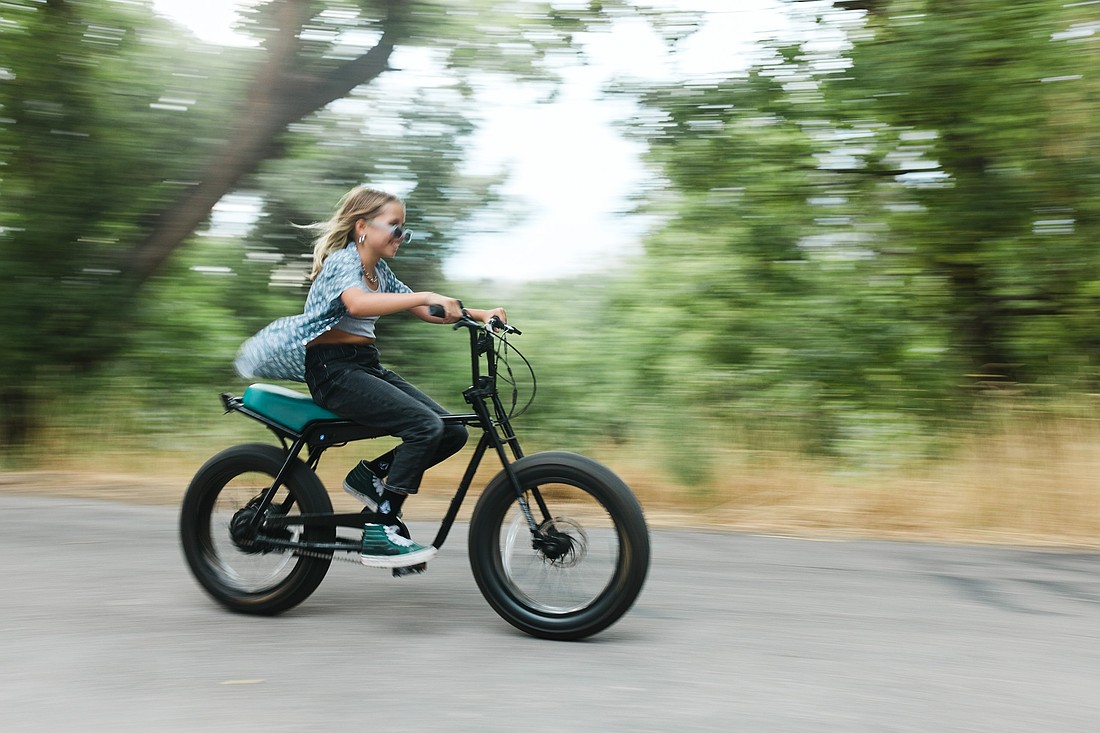
For nearly two years, Horizon West resident Linda Sibley has been pushing for micromobility-device regulations — both to the Orange County School Board and the Orange County Board of County Commissioners.
As a morning runner, she often finds herself moving out of the way for children, teens and young adults on their e-scooters and e-bikes going at high speeds, she said.
However, even she doesn’t agree with Orange County Public Schools’ most recent action — a policy banning micromobility devices for all elementary and middle school students.
“Micromobility devices are a need, a necessity,” Sibley said. “Education is the key. Anything that has to do with a ban totally sidesteps anything that’s rational at this point.”
Orange County School Board members Tuesday, July 28, unanimously passed the new policy, which states only high-schoolers with a learner’s permit or driver’s license will be allowed to bring e-bikes or e-scooters onto school campuses.
According to OCPS data, about 11,800 students rode to and from school on e-scooters and e-bikes. Of those students, 68% were elementary or middle-school students; 32% were high-schoolers.
With the amount of students who use micromobility devices daily, Sibley said it is less than ideal to simply ban this mode of transportation and tell families to find another way.
Instead, she proposed computer-based lessons and courses directed toward students to learn about laws and regulations while riding on the road. On top of that, she proposed a course for parents to ensure they understand the laws and regulations.
“But then they also need to be out in the vehicle to get that hands-on training,” Sibley said. “It’s a win-win situation. You’ve got an educated child, and you’ve got an educated parent (who) fully understands everything they need to do to ensure that their own child is driving responsibly and safely.”
For hands-on training exercises, Sibley proposed that the County Commission create a state-of-the-art micromobility facility at Horizon West Regional Park.
“We’ve got hundreds of acres there; there’s no reason why we can’t set aside some of that real estate to create a training center where every child and every parent from now until Doomsday knows they have that one-stop spot,” she said.
However, that idea was turned down.
Other parents agree with Sibley the ban misses the true objective. OCPS parent Heather Grimmer said this ban could have unintended consequences for many families.
“Micromobility devices are a vital form of transportation for many students,” she said. “For some, they’re the only reliable way to get to school on time — especially when bus routes are unavailable. … Restricting their use could create additional barriers to getting to school, potentially leading to increased tardiness, absenteeism and unequal access to education. Removing that option without fully considering the broader impact is a rushed response to a complex issue.”
Grimmer agrees education is the key instead.
“Instead of taking these devices away, let’s focus on making their use safer,” she said. “That means educating students on responsible riding, enforcing helmet use, promoting traffic law compliance, improving infrastructure where needed and ensuring drivers are more aware of young riders. Safety is a shared responsibility.”
Middle-schooler Caitlin Weaver said while she agrees guidelines and policies are necessary for micromobility devices, prohibiting them from school grounds will impact several families, including hers.
“What will likely happen is that students will ride these devices to school and instead of parking them safely in a school bike rack, they will have to find an alternative place to park them,” she said. “I don’t think that a blanket restriction on micromobility devices on school grounds is the right choice for both students and parents. … A more specific solution for each school might be more efficient to address the main concern for of the student safety.”
School Board members said the ban is simply for the safety of students.
“We are not opposed to e-bikes or e-scooters,” School Board Member Anne Douglas said. “However, the city currently does not have sufficient regulations in place to establish clear safety standards for how students use them. We have heard too many concerning stories involving accidents and unsafe riding practices. Once the city adopts ordinances governing the use of e-bikes and e-scooters, we can revisit our decision. Until we find a way to establish strong safety measures to protect our students, there are other transportation options available, including cars, traditional bicycles, scooters and other alternatives.”
School Board Chair Teresa Jacobs said it might be considered a bold and aggressive move, but e-scooters and e-bikes didn’t become a popular mode of transportation until recent years.
School Board Member Alicia Farrant said she empathizes with concerned parents but agrees a ban for elementary, middle and some high school students is the most conscientious decision the board could make.
“Everybody up here knows I love my scooter,” she said during the July 28 meeting. “So in one aspect I say, ‘Let them scoot.’ In the other aspect, I’m seeing the results of what’s happening when you have hundreds of students using an e-bike or e-scooter at one school. School gets out, all kids are hitting the street at the exact same time, and now you have kids all over the sidewalks, the roads. It is causing problems within the community. … For dozens and dozens of years, we have ridden bicycles, we walked to school. I love my e-scooter, but I am an adult, and it is different.”
While disciplinary actions have not been discussed yet for students who do take micromobility devices to school, Douglas said appropriate measures will be taken accordingly.
A grace period will be in place until Tuesday, Sept. 8. After that, students will receive disciplinary actions.
Ashley LaChance, mother of Colton Remsburg, who died in an e-scooter accident in May, said the ban must happen. While she understands the convenience of riding these micromobility devices, she also understands the debilitating pain of living without her son.
“If people want to blame me, criticize me or question my role in advocating for this change, I can accept that,” she said. “I would rather carry that weight than watch another family experience what ours has endured.”
Sibley, however, said this ban won’t fix the safety issue at hand.
“As soon as the kids get home from school, they’re going to jump on their e-bike,” she said. “It’s a social thing for these kids, too.”
Because of the board’s decision to ban micromobility devices, Sibley has created a petition she will bring forward to the board regarding mandatory, hands-on simulation training.
That, she believes, will solve safety issues.
The County Commission will have a first reading of an ordinance regarding regulations for micromobility devices countywide at its meeting Tuesday, Sept. 29.