- July 14, 2026

-
-
Loading
Loading
 vectoraty - stock.adobe.com
Scientific discoveries shape the world around us. Whether they take place in the medical field or even off planet Earth, discoveries are a constant.
However, for many people, actually understanding these advancements and their significance can be difficult. While you can research many things online, most people don’t have the time or energy to spend hours reading through scientific papers.
One avenue people tend to overlook is social media. While platforms such as YouTube typically are associated with funny cat videos and internet trends, they also can be valuable places to learn. Scientists, teachers and students are making engaging, simple videos that explain complex scientific concepts. Through visuals, storytelling and more casual-sounding scripts, these creators make science more accessible for everyone. When I need help understanding something or want to research a new concept, I often turn to these YouTube channels. They get me excited about theories I wouldn’t even be able to understand through standard scientific papers.
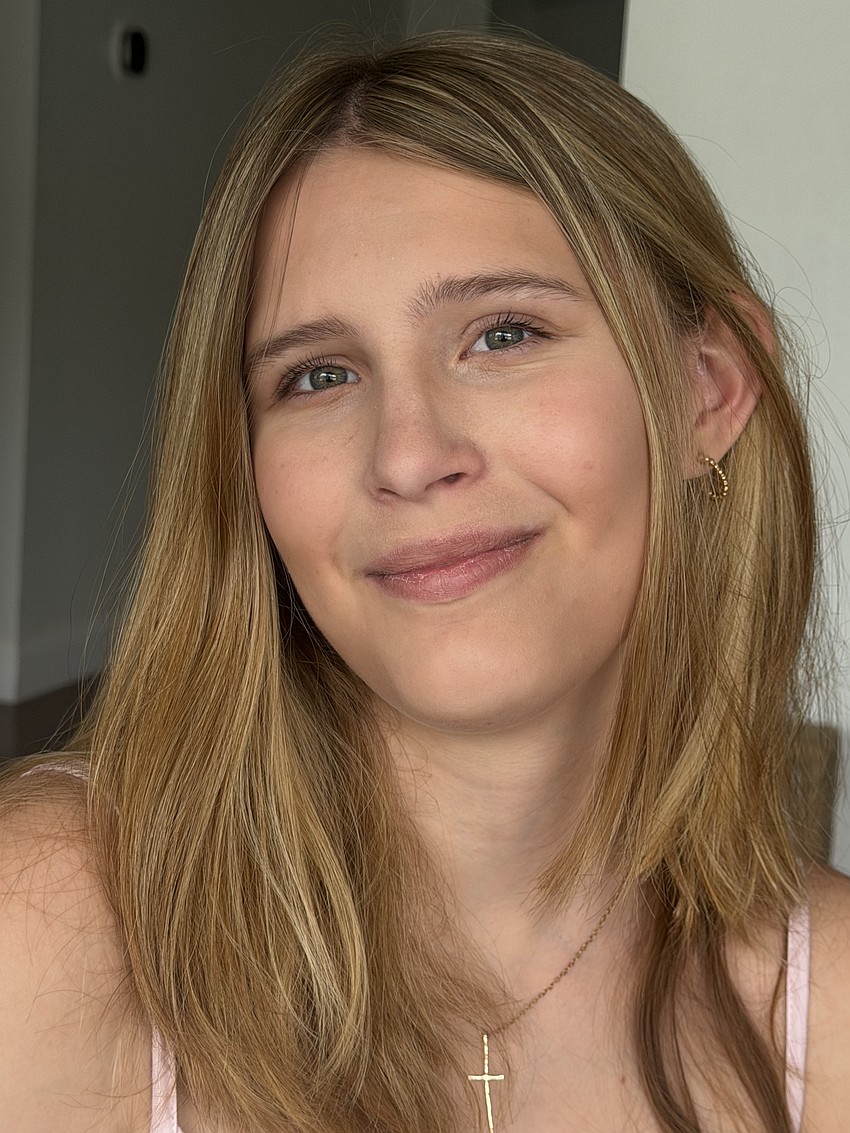
Watching other people break down these subjects inspired me to contribute in my own way. Earlier this year, I started a YouTube channel dedicated to exploring and explaining science, with a focus on astronomy, space exploration and astrobiology. I decided to call it “Kate Explains Space” because, to me, that’s all I am doing: explaining space and making it easier to understand. Although the channel still is in its earliest stages, with only two videos published so far, I already can imagine the possibilities and concepts I can explain as my channel grows and develops.
Creating educational videos involves so much more than simply opening my camera and hitting record. Before each video, I spend time researching information, comparing sources and organizing ideas into a script that is both accurate and easy to follow. I also plan on linking all scientific papers referenced in the descriptions of my longer videos, so people can do additional research. I take the time to truly learn the content first so it is easy for me to explain to others, and I use the same explanations I employed when teaching myself. The process has shown me that it is one thing to learn something and an entirely new thing to teach and introduce it to an audience.
One of the most rewarding parts of creating science content is how it reminds me that there is so much left to learn. Every question leads me to another. Researching one YouTube video leads me to plan four more. Working on the channel has encouraged me to keep learning new things, instead of just explaining what I already know. Even with just two videos out, I learned things about space that I didn’t know before. This fuels my own fire for science and is a way I can continue to research what I love and turn it into something I can share with others. Sharing that curiosity and passion I have for space is one of the main reasons I started a channel.
Educational content also is a reminder that learning doesn’t stop at school. We can learn a lot in classrooms, but sometimes you want to dive deeper into something that wasn’t fully explained by a teacher. If there is something you are interested in, you have access to documentaries, podcasts, articles and YouTube videos on the subject. A single video could spark interest that eventually leads to a career in science. Or, at the very least, can remind you that learning doesn’t have to be boring if it’s something you’re curious about.
My channel still is small, and there is plenty of room to grow. However, every creator starts with just one upload. For me, the goal isn’t to become an overnight viral sensation. Instead, I plan to keep growing my channel slowly, improving my editing, scripts and storytelling with each video and encouraging others to explore science. If a video helps one person better understand astrobiology or inspires someone to learn, then it has accomplished exactly what I hoped it would.