- June 25, 2026

-
-
Loading
Loading
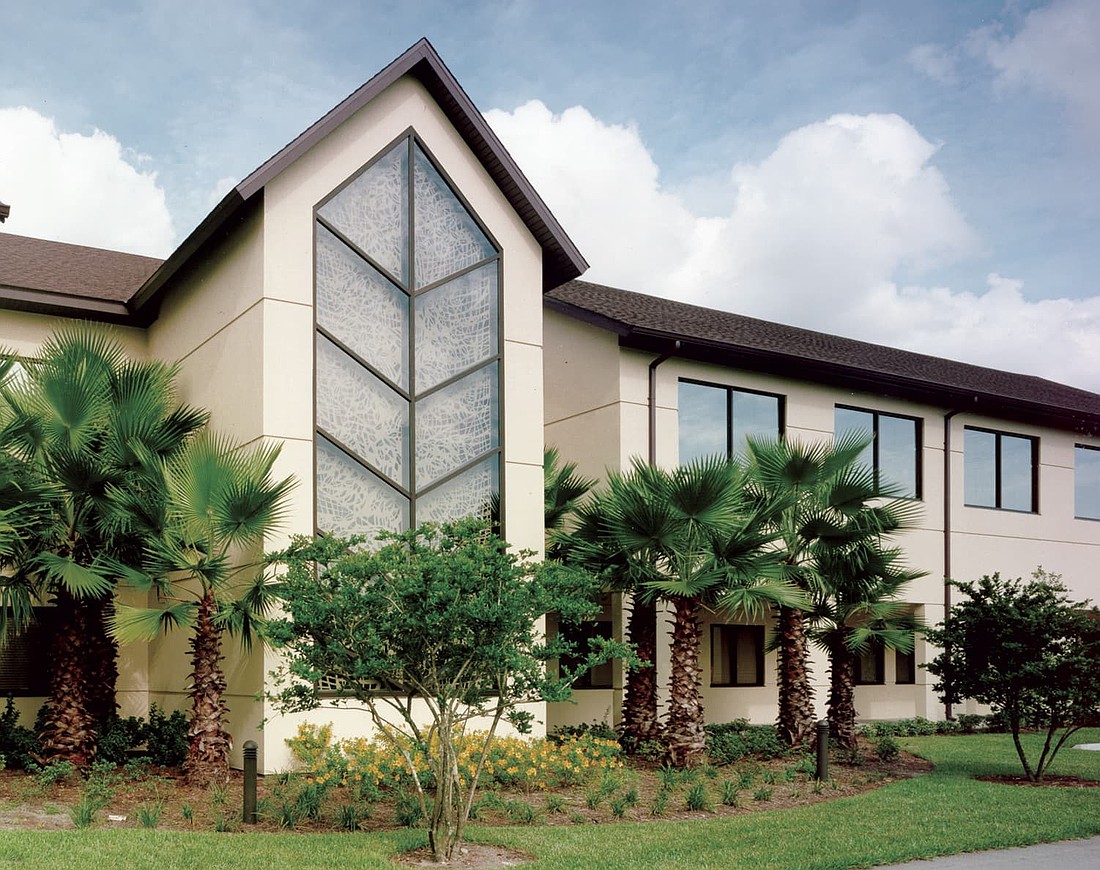
Hurricane season is less than one month away, and because of that, St. Luke’s United Methodist Church will be offering disaster-relief training Saturday, May 9, to prepare for the season.
According to the Marine, Earth and Atmospheric Sciences Department at North Carolina State University, researchers predict 12 to 15 named storms, six to nine hurricanes and two to three major hurricanes forming in the Atlantic basin this year.
The training session aims to introduce people to what early response looks like, best practices, safety procedures, and emotional and spiritual support.
Tom Vencuss, coordinator for the Florida United Methodist Early Response Teams, said the goal is to provide a caring Christian presence to communities in need.
Vencuss has been involved with disaster response work since 1993, helping local, national and international communities.
“It’s the best feeling in the world,” he said. “We embody a sense of hope for people. We let people know that as tragic as what might have happened, this need not be the defining moment of the rest of their lives.”
Attendees will start the training at 9 a.m., where they will go through the basic understanding of what being a part of a disaster relief team is like.
“We’re not just coming in and saying, ‘You’re going to do this; you’re going to do that,’” Vencuss said. “We want people to have a basic understanding of phases of a disaster, what happens in a disaster, the kinds of ways that people are impacted by what’s happened, whether it be a tornado, flood, fire, ice storm, trees down.”
After the basics, attendees will learn about the important protocols and procedures needed to follow when responding to a disaster.
They then will learn about roof tarping, cleaning out homes, working around debris and mold, cleaning out trees, and more.
“There will be some group-building skills and some hands-on activities,” Vencuss said. “They don’t really equate with actually being on a roof or being in a mold-filled home, but it allows people to begin to understand what the work is like. We talk about safety, keeping yourself healthy, looking out for each other, working with survivors and things to say and not to say.”
There are other roles available for attendees who may not be able to physically help during deployments.
Dedicated listeners can be deployed with early-response teams with the sole duty of listening and offering a lending ear not only to survivors but also team members.
Others can work with base-camp operations, such as ensuring meals are taken care of, water is available, adequate showers are provided, while ensuring everybody is working safely.
When Vencuss was in Puerto Rico during Hurricane Maria with a disaster-relief team, one volunteer’s job was to simply dispense water every 30 minutes, which was not labor-intensive, providing opportunities for people who cannot do physical work to volunteer.
Buckets of hope also are assembled each year with cleaning supplies and immediate necessities, with the purpose of being able to help as many survivors as possible.
Beyond that, a remote call center also is established during storms, where volunteers assist those in need with necessary information and help.
Attendees will learn the four “Cs” — critical thinking, collaboration, communication and creativity — and how volunteers can best use those to accomplish their mission.
To these disaster teams, any and all help is welcome and appreciated.
From climbing on roofs to cutting trees to providing a listening ear or dispensing water, the work these teams are putting into serving and supporting others is touching — not only to impacted communities and survivors but to volunteers as well, Vencuss said.
“From a faith perspective, putting your faith into action and being there with people to just listen and serve, is what it’s all about,” said Amy Simon, director of missions engagement at St. Luke’s UMC. “I hope that folks know that they can make a difference. To be present, caring, listening, doesn’t take a lot of skill. … Sometimes, we feel helpless after something happens, and this is a way for folks to find an avenue to be able to do something.”
For many volunteers, disaster response offers an opportunity to serve without a long-term commitment, she said.
Vencuss said he hopes people walk away from training with a sense of humility.
“I prefer that we come in with a sense of humility and know that it’s not about us,” he said. “We’re just answering what we believe to be God’s call on our life.”
To participate in the training, you must be at least 18 years old. A $15 fee will cover a background check, lunch for the day and a T-shirt.