- August 12, 2026

-
-
Loading
Loading
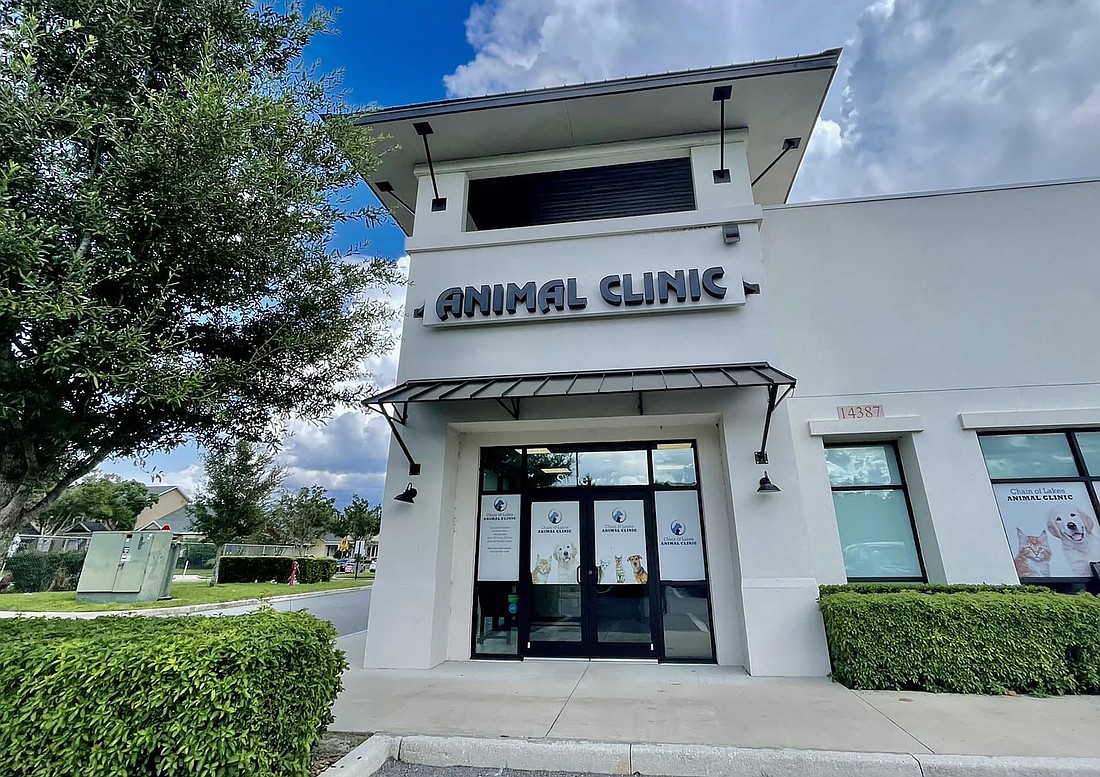 Courtesy Photo
While working at the Society for the Prevention of Cruelty to Animals of Central Florida, Dr. Angela Chesanek encountered a situation that broke her heart.
Two dogs were brought in after trying to defend their female owner from her abusive boyfriend, who broke into her house.
“The only reason she survived was because of these dogs,” Chesanek said in tears. “They attacked her boyfriend, and he stabbed the dogs instead of her, left her on the floor and ran out.”
The woman spent two months in the hospital recovering from her injuries, but the family decided to bring the dogs into the SPCA because they couldn’t care for both the woman and the two furry friends.
Knowing the owner would want her dogs back, Chesanek ensured the dogs wouldn’t be put up for adoption.
“I think it’s just amazing what pets can do for us,” she said. “They probably helped her heal when she was out and I think they probably also made her feel safer.”
When the woman returned home, she went to SPCA to pick up her dogs, inspiring Chesanek, who now owns Chain of Lakes Animal Clinic, to later partner with Harbor House of Central Florida to help other women in domestic violence situations and hopes of making a greater impact in the community.
The partnership began after Chesanek learned Harbour House allows children and women to bring their pets to the shelter to make leaving an abusive situation easier.
According to the Laurel Center, an organization focused on intervention for domestic and sexual violence, many victims stay with their abuser for the fear of what might happen, embarrassment, shame, lack of finances, and fear for their children and their pets.
One day, while scrolling on Facebook, Chesanek came across a post from a Harbor House volunteer collecting supplies for the pets at the shelter. She learned what Harbor House of Central Florida does and recalled the two dogs she had met at SPCA years before.
With that in mind, Chesanek reached out to Harbor House of Central Florida’s team and offered veterinary care.
Although the domestic-violence shelter already provided veterinary care for the pets under its watch, it was doing so through its own funds.
“With our agreement and us footing the care, they have more funds for other things,” Chesanek said. “It frees up money for them.”
The animal clinic has cared for nearly 12 dogs and cats since the partnership’s inception, offering services such as vaccines, heartworm testing, parasite control and sick care — all at no cost.
Chesanek said she made pharmaceutical companies aware of the partnership, and they have donated products to help offset the costs required to care for the animals.
To maintain safety for all involved, a member of Harbor House transports the animals to the clinic, where veterinarians are provided with the pet’s first name only.
The Chain of Lakes Animal Clinic has created an account under the Harbor House name, maintaining anonymity for survivors, as well.
Chesanek said she does not plan to set a limit of dogs and cats the vet will accept.
“We’re just doing what we can when we can,” she said.
No dog or cat is too small or too large to be treated. Chesanek just wants to be able to help when possible, in whichever way her and her clinic are able.
“As a female, (this partnership) is near and dear to my heart, not just because of the pets but also the women and children,” she said. “I’m super proud, and I’m also proud to let my daughters know that if you’re ever trapped in a situation, there are people out there that are going to help you.”
The animal clinic is collecting donations to be able to continue funding care for survivors’ pets, and plan on doing a pet calendar to raise funds.
Chesanek said community members also can donate directly to Harbor House to support its mission.
Chesanek said she’s grateful to be given the opportunity to partner with Harbor House and help survivors and their pets.
After all, making a difference always has been her goal.
“It’s nice to do something for the community,” she said.