- August 11, 2026

-
-
Loading
Loading
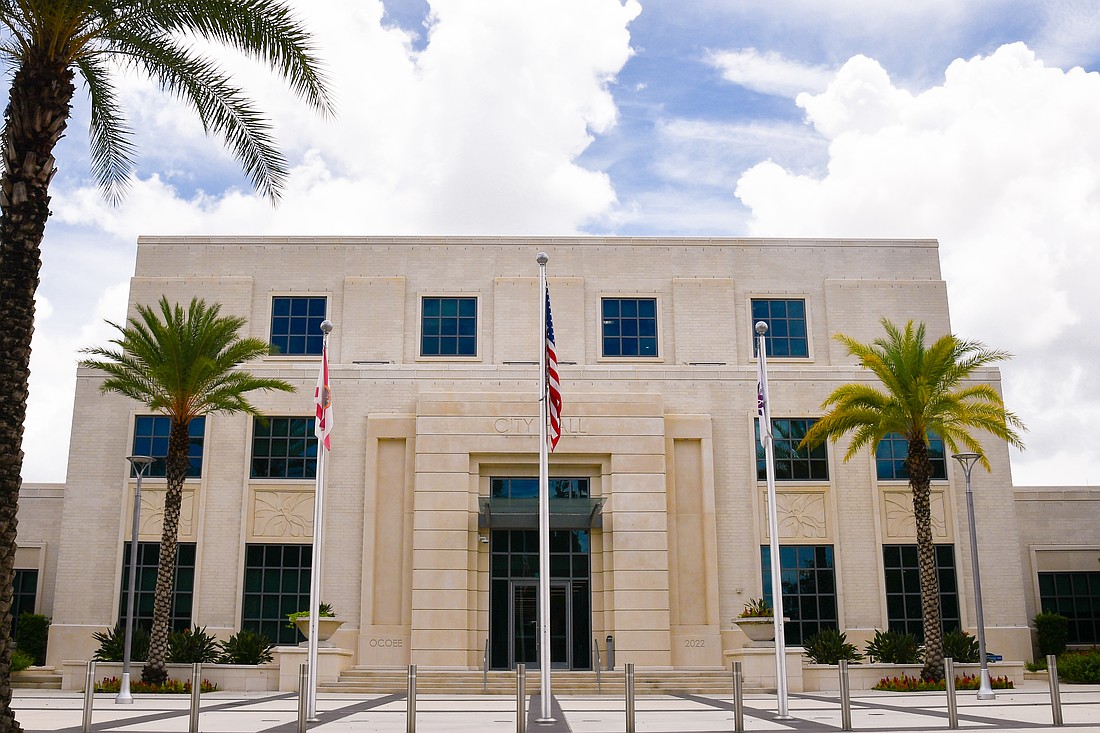
City of Ocoee Finance Director Steve Weber presented a $74.26 million General Fund budget for the Fiscal Year 2027 at the Ocoee City Commission’s budget workshop Wednesday, Aug. 5.
The proposed budget is balanced at the city’s current millage rate of 4.95, marking the 11th consecutive year the city has maintained or lowered the millage rate. A millage rate of 4.95 generates $27,554,139 at a 95% collection rate, representing 37% of the General Fund’s budgeted revenue.
Gross taxable value from Orange County increased from $5,433,608,250 for FY 25-26 to $5,859,466,089 for FY 26-27, a 7.8% increase. Ocoee will budget $2.2 million for roadway resurfacing and $600,000 for sidewalk repair and replacement.
The proposed General Fund budget of $74.26 million is a decrease of $2.96 million from the previous year.
Personnel cost expenditures total $46,083,590, or 62.1%, of the budget; while operating expenditures total $28,177,361, or 37.9%. Public safety comprises 53.9% of the total General Fund budget and 71.5% of the General Fund’s personnel budget. Police and fire pensions will increase by about $1 million.
City Manager Craig Shadrix said the amount for personnel cost expenditures is deceiving and the actual cost is higher. City departments, such as human resources, finance and information technology, provide services across Ocoee, but the costs are not allocated to individual departments, meaning they aren’t included in the personnel cost expenditures. He said the city will use internal service funds to track those expenses more closely.
The first budget public hearing is scheduled for 6 p.m. Wednesday, Sept. 9, with the second budget public hearing and adoption of the final budget hearing for 6 p.m. Wednesday, Sept. 23.
After the Ocoee City Commission approved setting the maximum fire assessment fee to 70% of assessable costs in June and sent notice letters to residents, city staff and commissioners discussed how it is a preemptive measure to offset potential first-year impacts of the proposed property tax reform.
Once a maximum rate is approved, it cannot be increased, which is why the city opted for 70%.
The commission will consider the fire assessment fee’s official adoption at the Tuesday, Aug. 18, meeting.
If the proposed legislation passes in November, Ocoee’s property tax revenue would be reduced by more than $4 million in the first year and more than $8 million the following year. Establishing the fire fee now would give Ocoee an alternative revenue source if the amendment passes. If it does not pass, Shadrix said the city will provide credits or refund checks.
“We take no pleasure in this, but we have an obligation to do this to keep pace with service demands,” he said.
Ocoee staff is working on building a fiscal model that provides indications for where the city needs to make adjustments to react to changes.