- August 11, 2026

-
-
Loading
Loading
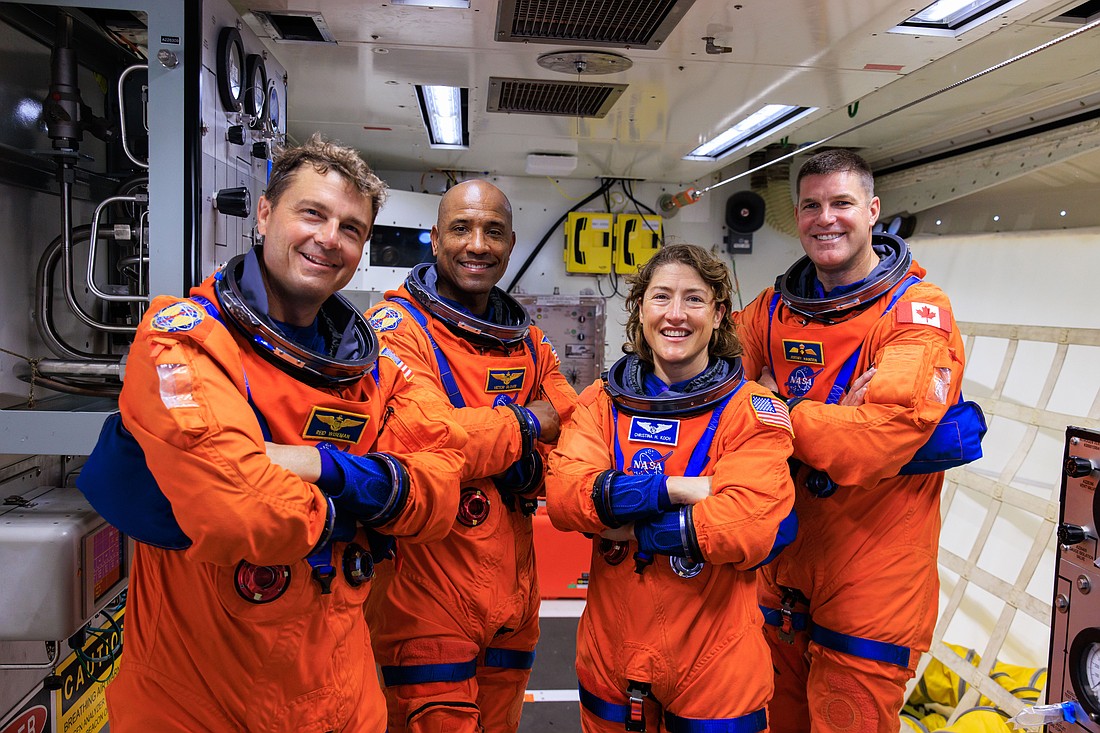
In 1969, we sent humanity to the moon. For the first time, we had left our home planet and stepped onto a completely different world, and we did it with less technology than a smartphone. That one step from Neil Armstrong showed what years of human innovation, perseverance and creativity can do. The Apollo program was by far one of the most ambitious and impactful scientific programs of its time. Inspiring generations of scientists and astronauts to come.

Now, more than 50 years later, we’re trying to do it again, and unlike the Apollo program, Artemis aims to establish permanent human residence on our lunar neighbor. We aren’t just trying to go to the moon. We’re trying to use the moon as a base so that we can travel even farther into the universe.
Artemis II was a key part of that mission. It was the first crewed flight of the Artemis program, sending astronauts around the moon before returning to Earth. Although it didn’t land on the moon, it was a crucial mission to test necessary systems that will — eventually — send us to the moons surface once again.
The Artemis program also shows how much space exploration has grown and evolved. What used to be the effort of just one country is now an international collaboration between NASA, ESA and other agencies. It also uses the most advanced technology possible — way better than what we had during the Apollo era.
Artemis II represents a new era of space travel. We aren’t just trying to prove we can reach the moon anymore. We’re trying to live beyond Earth and explore entirely new planets.
For me, Artemis II genuinely has changed how I think about space and my future. I used to be fascinated by astrobiology and space exploration, but the demands of school and everyday life took over. Especially because, after the space shuttle program ended, it seemed like advancements in space travel suddenly stopped. Any interest I had in space slowly faded into the background.
Seeing a completely new generation of lunar missions being planned and carried out reignited my love for space. It made me think seriously about human curiosity and how much of our universe there is to explore. Artemis II is part of a larger plan to land on the moon, build a base there and eventually reach all the way to Mars. In a way, Artemis II brought back the desire to see what’s beyond our home planet. Seeing new astronauts set records and reach milestones has inspired me to follow my own dreams when it comes to space.
Whether I end up pursuing astrobiology or even become an astronaut, this has reminded me that space exploration is still ongoing. There are so many plans and so much to discover. The moon isn’t the end goal. It isn’t the farthest we can reach. It’s a checkpoint to reach farther than we ever have before.