- July 1, 2026

-
-
Loading
Loading
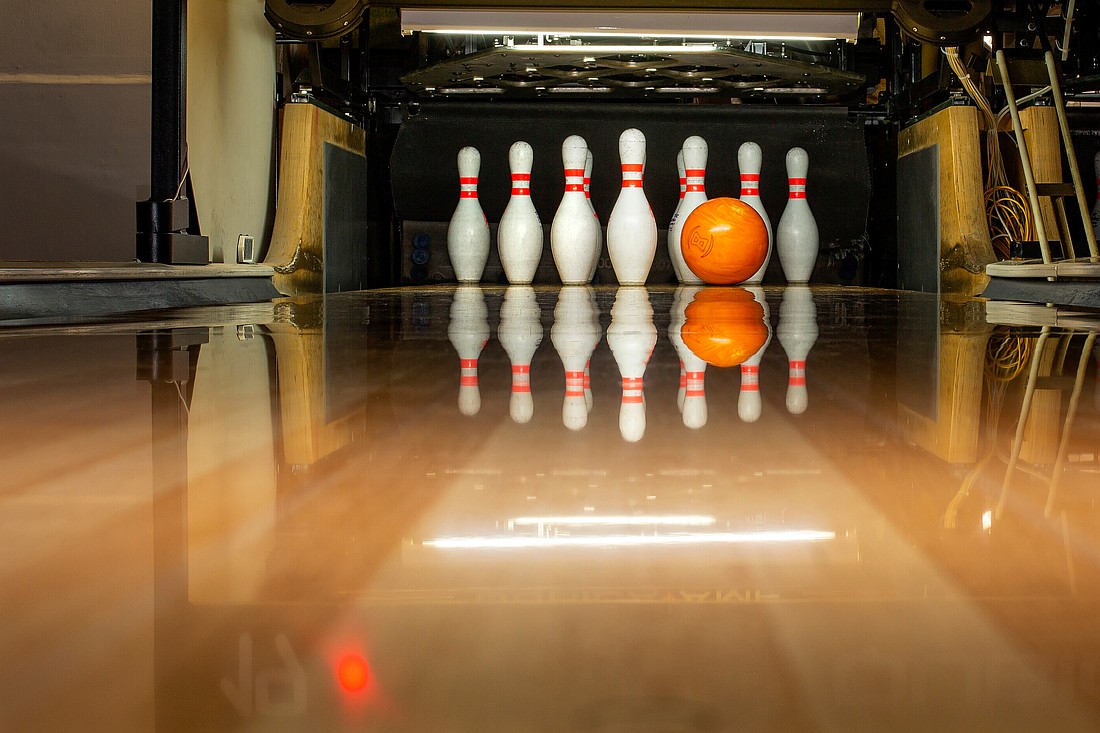 Photo by Roman Starchenko
When kids tell their teachers, friends and relatives they play sports, most people assume they play basketball or football. However, a sport that demands precision, accuracy and stamina is hardly mentioned: bowling.
Bowling is older than most sports, with early records from the United States Bowling Congress showing the game being played in Egypt around 5200 BC. Since then, bowling has risen to have about 67 million people play in the United States every year. According to the USBC, only a fraction — about 1.2 million people — play the game in an organized league. So, although the game is so widely known, few play competitively.
The game itself seems easy: A heavy ball is rolled across an oiled lane to hit 10 pins. However, bowling is rooted in science — everything from the release to the oil on the lanes can impact the ball. It’s all physics.
While bowling appears more of a pastime than a sport, it is not as simple as it appears.
The object of the game — hitting 10 bowling pins — requires a distinct precision. Players try to aim for the “pocket,” which is the area where the pin at the front of the triangle meets the pin to its side. Throwing even an inch off your target can destroy your score. Bowlers take years to develop their throws. Once they do that, practice is key to getting the same result every time, like a golf swing.
Also, the game requires unique stamina. Bowlers often will play several games during professional matches, and it’s hard work to keep your cool and stay consistent. The bowler’s throwing arm naturally will get tired, and the balls will gain oil from the lanes that can change the ball’s typical friction. So, in addition to normal pressures during a game, bowlers must adapt and roll with the punches.
As technology became more advanced, there was a shift in how sports were played and perceived — bowling included.
The design aspect of the game has changed immensely. Before the 1950s, bowling pins were reset by hand until pinsetter machines became more widespread. Bowling balls themselves have changed, too. They used to only be available in polyester, but they now have different weights, surface textures for friction and more. Even the pins have shifted from being entirely wood to using mostly synthetic materials.
Of course, alleys themselves have had to adapt to the rise of technology. With machines making the game easier, more people flocked to bowling alleys. Alleys added automatic scoring as well as lounge areas, arcade games and food. Alleys weren’t just for bowling anymore; they became centers for sport, entertainment and dining.
One of the best parts of the game is being able to enjoy it with everyone. People in leagues and school teams are able to socialize and form bonds while training. Friends and families can go to alleys and spend time together.
Bowling might take practice, but it’s easy to get started. Winter Garden Bowl, a local alley at 715 Dillard St. in Winter Garden, has been a home for bowlers since 2014. It offers games at $7.50 per game, per person, as well as special deals and the Kids Bowl Free program. This is a perfect way to get started in the game and learn from others.
For those looking for the next step in bowling, Winter Garden Bowl also has a pro shop run by Rich Gibson that sells balls, bags and shoes. Gibson was a professional bowler and transitioned to running a shop to continue his career in bowling. He said the best part of working at Winter Garden Bowl is “helping people get involved in the sport and get better as they grow in bowling.”
So, if you’re looking to try something new or to support local businesses, bowling might be a great option. You never know what could turn into a fun rainy-day activity or a lifelong passion.