- July 21, 2026

-
-
Loading
Loading
BIO
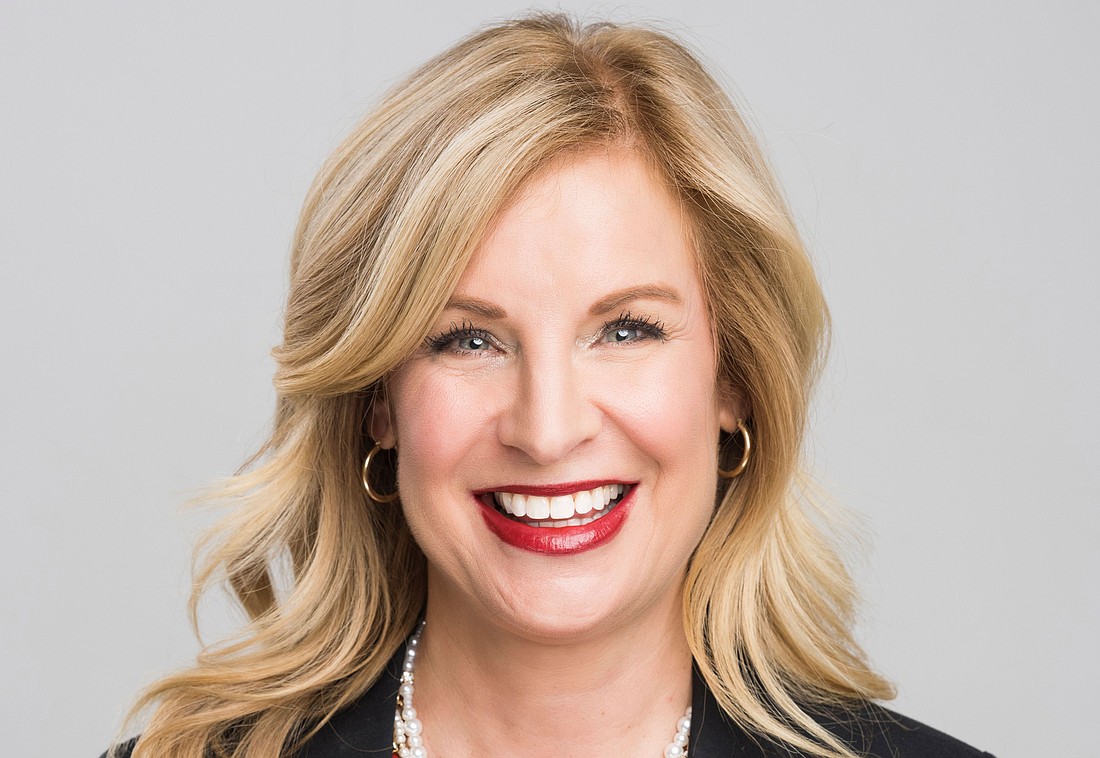
Age: 58
City/town of residence: Orlando (East Orlando near UCF)
Family: Married; two daughters, both OCPS graduates. My youngest daughter is now an OCPS teacher. Been married for 32 years and was born and raised in Central Florida.
Education: B.A. in Business Administration, University of Central Florida
Qualifications: Two-term OCPS School Board member representing District 1 since 2018; President, Florida School Boards Association; former PTA president at the elementary, middle, and high school levels; Florida PTA Board of Directors; Chief Advocate, Alliance for Public Schools; key advocate for the Baker Act Reform Bill and the Recess Bill; Leadership Orange alumna. Was appointed to the Council of Early Grade Success by Senate President Simpson. Serve on the Advisory Council for the Florida Afterschool Network. Member of the Grade Level Reading Exchange Partners.
What makes you the best candidate for School Board chair?
I have spent eight years doing this job, not just talking about it. I know this budget, I know this administration, and I know this community. As President of the Florida School Boards Association, I represented all 67 school districts in Florida and have fought in Tallahassee against the policies threatening public education, from unconstitutional voucher expansion to book-banning mandates to attacks on local control. My record is one of results: the Baker Act Reform Bill, which protects students during mental health crises, the Recess Bill, which secures daily recess for every Florida elementary student, and successfully fighting to remove schools from a proposed constitutional amendment that threatened local funding. No one else in this race brings that combination of local experience, statewide credibility, and proven outcomes to the table.
What are the key differences between you and your opponent?
The contrast in this race could not be clearer. My opponent is aligned with Moms for Liberty, has appeared alongside Governor DeSantis at press conferences, and has built her platform around removing books from school libraries and pushing a narrow ideological agenda that does not reflect the diversity of Orange County's families. I believe in public schools that welcome every child, regardless of who they are or where they come from. I have spent my career fighting for teacher pay, student mental health supports, school safety, and keeping our schools free from political interference. My opponent represents the same movement that has spent years attacking public school teachers, banning books, and undermining community trust in our schools. I represent the opposite of that. All my children attended and graduated from public schools. I believe that strong public education is the bedrock of democracy.
What are some changes you'd like to see made during your time as School Board chair?
First, I want to see a meaningful, sustainable increase in teacher pay, including renewing the 1 mil referendum on the 2026 ballot and bringing a dedicated .25 mil for teacher pay to voters in 2028. Second, I want to rebuild our mental health infrastructure after this year's painful $8.2 million cut, through a combination of restored funding and new public-private partnerships, so agencies stop working in silos and every student who needs support can access it. Third, I want to establish a long-range facilities plan that gets ahead of our growth patterns in Horizon West, Lake Nona, and Apopka rather than reacting to them with consolidations. We need to utilize the room we have in schools due to declining enrollment by creating schools within schools and microschools to serve our diverse student populations. We must be innovative and offer flexibility to our students and families. At the governance level, I want to model what it looks like for a school board to lead with purpose, transparency, and an unwavering focus on students.
What are the three most pressing issues facing Orange County Public Schools?
Teacher recruitment and retention are the foundation of everything. We cannot deliver on any promise to students without great educators in every classroom, and we are losing people because the pay is not competitive. Student mental health and safety is the second. The cuts this year hurt, and we have to restore those supports while also ensuring every campus has a qualified school resource officer and a culture where students feel safe enough to ask for help. The third is protecting public school funding from Tallahassee. Between universal voucher expansion, chronic underfunding, and legislative attacks on local control, our district is being squeezed from every direction, and the Chair has to be willing to fight back loudly and strategically.
Discuss the current state of the relationship between OCPS and the Orange County Classroom Teachers Association.
I am proud to have the OCTA's endorsement, and I believe that relationship reflects a shared commitment to doing right by educators and students. That said, I am not going to pretend there are no tensions. Teachers are exhausted, underpaid, and being asked to absorb more every year while feeling less supported by the state. Rebuilding trust with our educators requires more than words. It requires budget decisions that put people first, genuine collaboration on working conditions, and a board that listens when teachers raise concerns rather than dismissing them.
As Chair, I will prioritize that relationship because a district that values its teachers will always outperform one that does not.
Where could OCPS cut costs to allocate more funds to teachers, district health insurance and school-level expenses?
I have been deeply involved in the work to reduce district healthcare costs, and I believe that is one of the most significant levers we have. Renegotiating benefits structures, expanding wellness programs that reduce claims, and exploring consortium purchasing with other districts can generate real savings without cutting services. Beyond healthcare, I believe we need a rigorous review of central office administrative costs and contracted services to ensure those dollars are as close to the classroom as possible. I have also been a vocal advocate for finding alternate funding streams through public-private partnerships so that cuts do not always fall on the people doing the most essential work.
What criteria should be used to determine what books should be available to students in public school libraries?
Books in our school libraries should be age-appropriate, educationally sound, and selected by trained media specialists using established professional standards. The process must be consistent, transparent, and driven by educational criteria, not political pressure. When a formal objection is raised, materials should remain accessible to students during the review process unless state law requires removal. What I will not support is removing books based on one complaint or allowing outside political groups to dictate what our students can and cannot read. Our children deserve access to diverse literature that reflects their world, builds empathy, and supports their development as readers and thinkers.
What are the root causes of declining student enrollment and what are the solutions?
Enrollment decline in parts of our district is driven by several overlapping factors: the expansion of Florida's voucher program pulling students into private and homeschool settings, demographic shifts in certain neighborhoods, declining birth rates, and strict immigration laws. The solution is not to chase students out the door; it is to make our public schools so compelling that families choose them. That means excellent teachers, safe and modern facilities, strong art, athletic and CTE programs, robust mental health supports, and transparent communication with families about what our schools offer. We also have to be honest about where we are growing and where we are not, and plan our facilities and staffing accordingly.
Discuss your position on OCPS' ongoing contract with Caissa Public Strategy LLC.
I believe any contracted service the district pays for must be evaluated rigorously and regularly against clear performance metrics. Taxpayers deserve to know what they are getting for every dollar spent on outside consultants, and the board has a responsibility to ask those hard questions and demand honest answers. I am committed to a thorough, transparent review of the Caissa contract and its outcomes, and if the data does not support its continuation, I will say so. Public trust depends on us being willing to make those calls without flinching. With that said, I am pleased with the performance of Caissa. They brought back approximately 2000 students last year and provided valuable insight into why families were choosing other options. We do not have the bandwidth to do this in-house at OCPS.
Following your term or terms as School Board chair, what are three key ways the board will be different?
First, an increase in teacher pay. We cannot continue to rely on Tallahassee for funding. I will commit to spearheading the effort to put a .25 millage referendum on the ballot for instructional and educational support staff that puts real money in the pockets of the educators who make everything else possible. Second, our mental health infrastructure will be stronger than it is today, with sustainable public-private partnerships in place so that student and staff mental health support is not the first thing cut when budgets get tight. Third, this board will have modeled what principled, transparent, innovative, student-centered governance looks like, at a time when school boards across Florida are being pulled into culture wars and political theater. I want to leave this chair having demonstrated that you can lead with integrity, fight for kids, and refuse to take the bait.